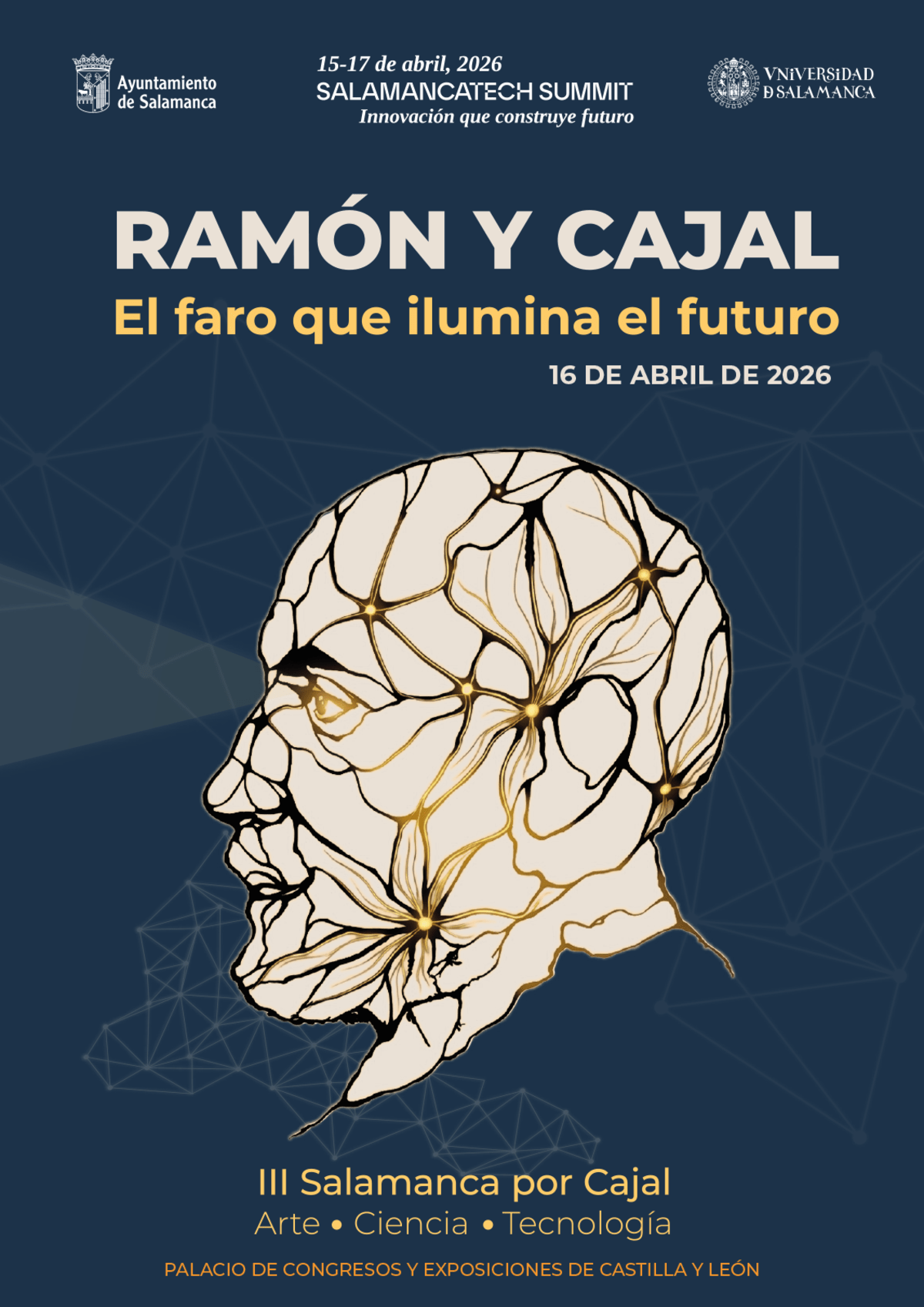
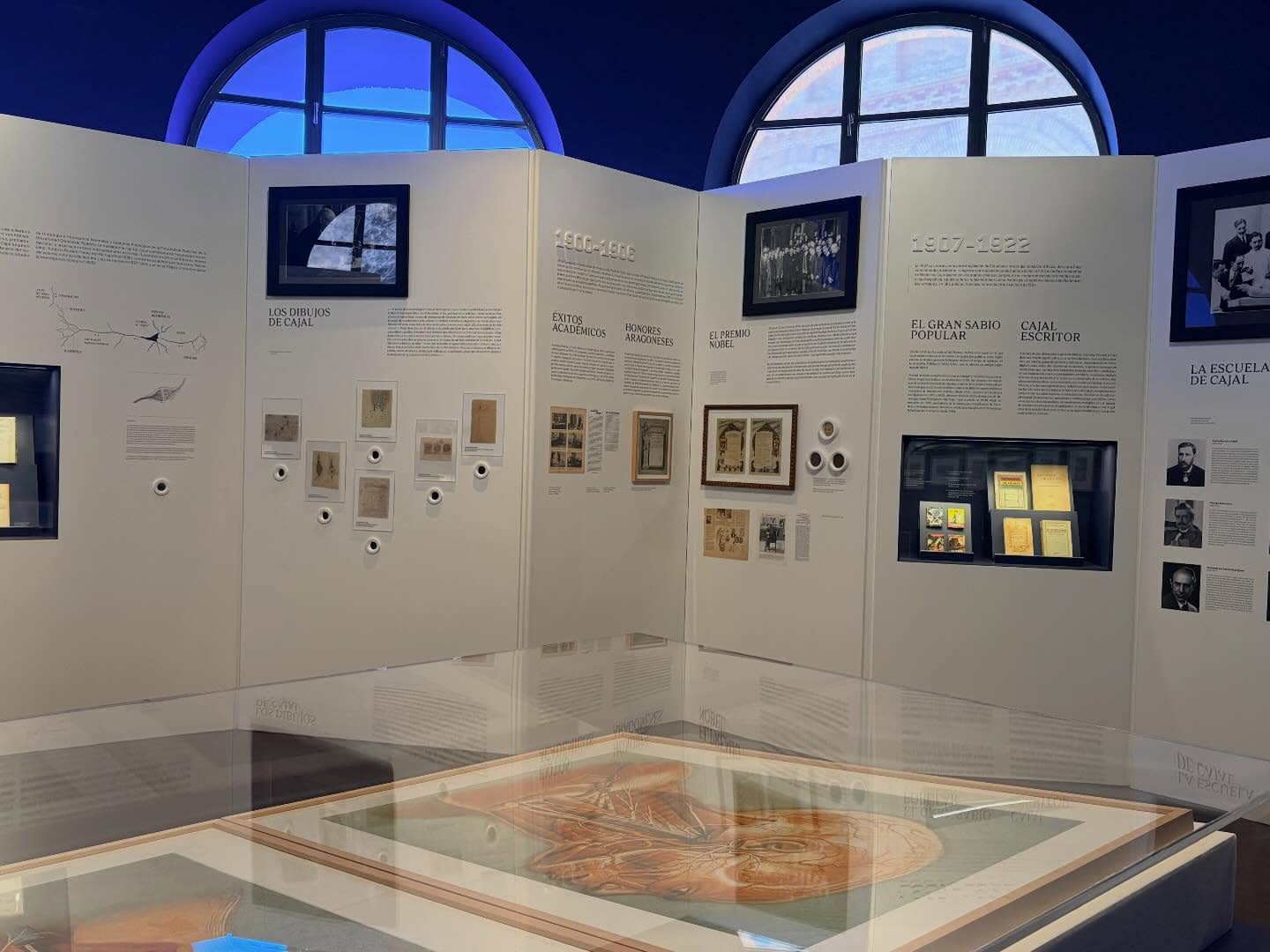
Ninety years have passed since the death of Santiago Ramón y Cajal (1852–1934), universally recognized as the father of modern neuroscience. This milestone places him among the greatest scientists in history alongside Copernicus, Galileo, Newton, Darwin, and Einstein.
Cajal’s main contribution was the neuron theory. He did not discover the neuron, nor even name it, but he was the one who armed with scientific evidence the theory that these cells were the anatomical and functional units of the nervous system. He dismantled the reticular theory, dominant at the time, by demonstrating that neurons maintained their individuality while forming contacts between themselves by contiguity (synapses).
Cajal also formulated the “law of dynamic polarization” (1891–1895): nerve impulses are not transmitted randomly but follow a determined direction. A neuron receives them through its dendrites and cell body, and transmits its output message through the axon to one or several synapses.
In 1888, Cajal was the first to describe dendritic spines. He discovered the axonal growth cone in 1890 and proposed the chemotactic hypothesis (“neurotrophic”), anticipating the existence of axonal guidance molecules. He also advanced the concept of neural plasticity and proposed the cerebral gymnastics hypothesis (1895). What we know today as “Hebbian learning” had been described by Cajal half a century earlier.
Cajal generated one of the most brilliant scientific schools in history. He does not cease to surprise us, as UNESCO highlighted in 2017, which is why a National Museum of Cajal and the Spanish Neurological School is more necessary than ever.
Authors:
- Juan Manuel Espinosa Sánchez. University of Granada
- Fernando de Castro Soubriet. Instituto Cajal - CSIC
Original article: TheConversation.com