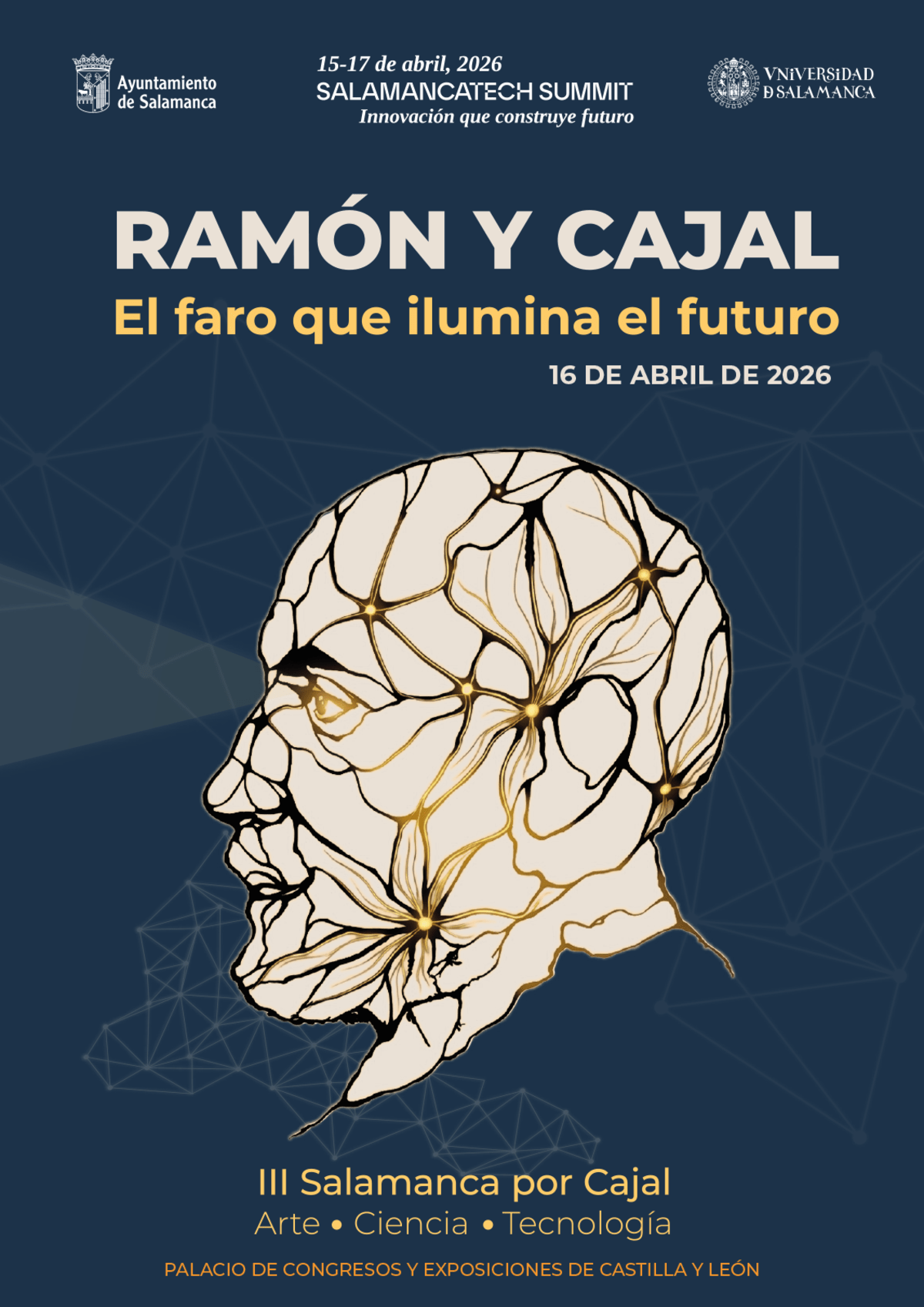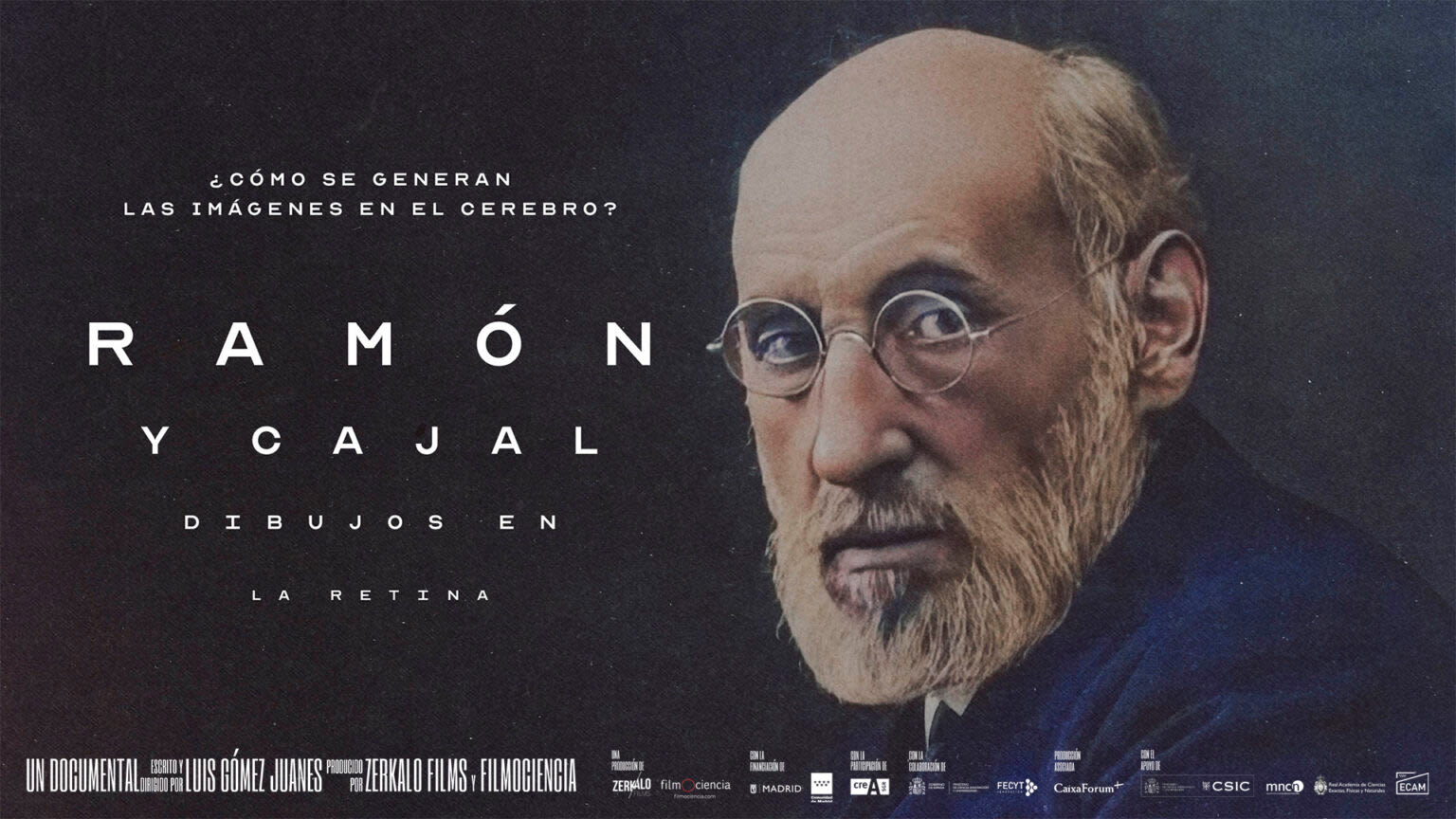
I am delighted to write the foreword for Sonnia L. Rivas-Caballero and Belén Yuste’s book about the life of Santiago Ramón y Cajal. Cajal won the Nobel Prize in Physiology or Medicine in 1906 jointly with Camillo Golgi. Cajal cut thin sections (approximately 200 microns) by hand with a razor blade and used the Golgi staining method to visualize cellular components in multiple brain regions. This work led to the idea that nerve cells are individual basic units of the nervous system, in contrast to the widespread belief that the brain consisted of a continuous tangle of fibers. This new perception, called the neuron doctrine, is one of the foundations of neuroscience. This discovery marked a turning point, which is why Cajal is considered the father of modern neuroscience.
The great scientist is recognized for the transcendental anatomical knowledge to which his work led and for his exceptional anatomical drawings. The revolutionary discoveries Cajal made with the simple tools available to him in his time are truly impressive.
By studying the brains of embryos and young animals, the scientist was able to observe cellular components of the brain that were otherwise invisible, such as certain axons because they were covered in myelin. Cajal observed that nerve endings (axons) made contact with other neurons. These observations led him to suggest that nerve cells are units that process information through their connections with other cells and that they are organized in dynamic networks with different functions.
Cajal discovered dendritic spines (the postsynaptic part of the synapse), which are very important to me, not only because they are a major input for information transmission between neurons, but also because they played a fundamental role in my doctoral thesis. Two of my articles dealt with whether a brief exposure to an enriched environment was sufficient to alter the morphology of neurons in the hippocampus of adult rats. My work demonstrated that animals subjected to enriched environments had a significantly greater number of spines on the basal dendrites of the CA1 region compared to control animals, and that this increased the animals’ spatial learning capacity. By seeing how changes in synaptic communication through the spines were directly affected by experience, I felt that I took Cajal’s work a few steps further.
This book is based on the relationship between Cajal and his contemporaries, and deals with his life and achievements, rather than the details of his purely scientific work.
The inclusion of letters and excerpts from his works make this book rigorous and easily accessible to the public. I find it fascinating to be able to get to know a bit better such a brilliant scientist. His passion for science and his perseverance are admirable. Cajal did not even give up despite the fact that the people around him were not prepared for his masterpiece and did not treat him with the respect he deserved.
I highly recommend this book because Cajal deserves this honor. We, neuroscientists, have advanced standing on the shoulders of this enormous scientist. («Nosotros, los neurocientíficos, hemos avanzado subidos a hombros de este enorme científico.»)
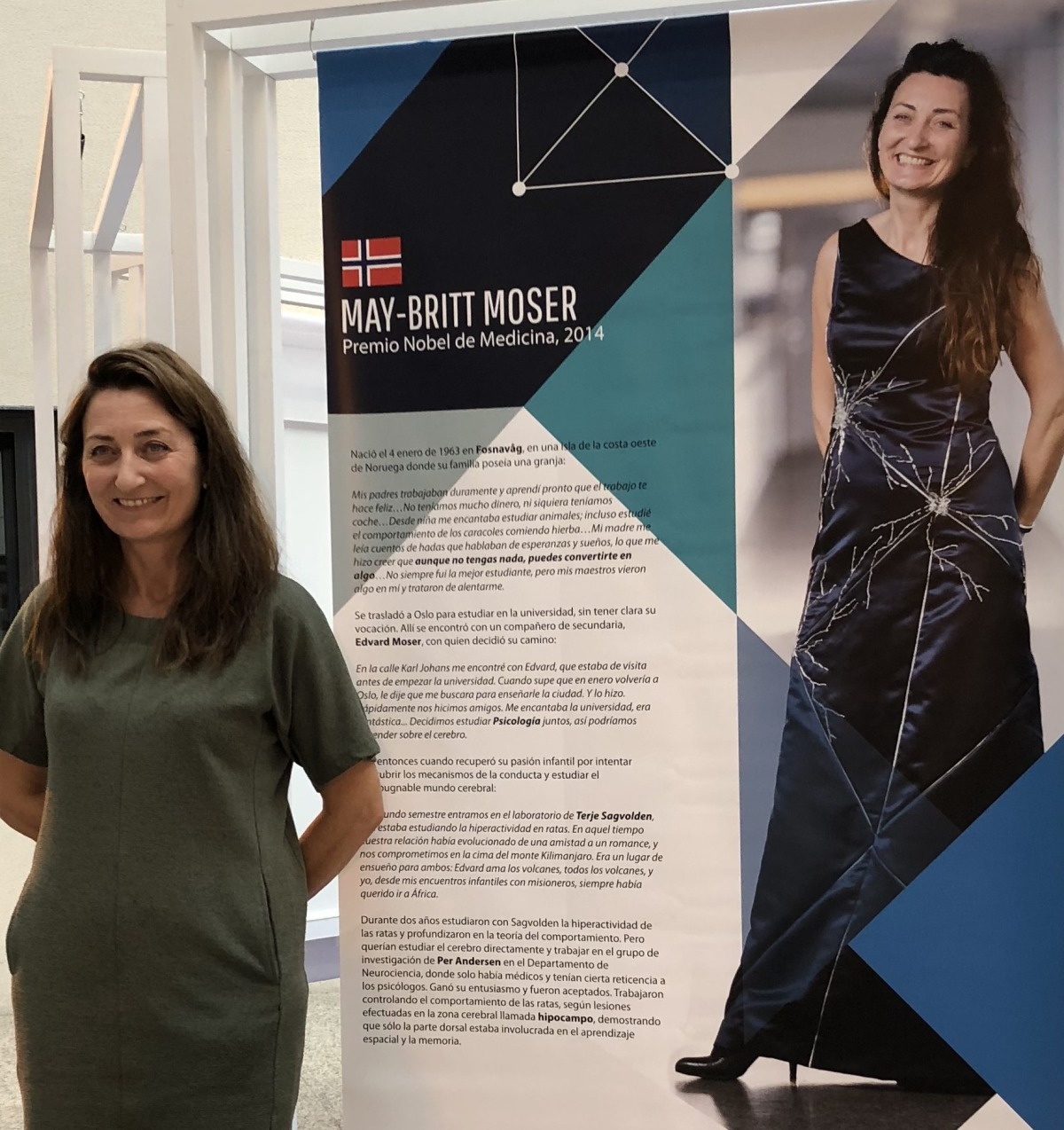
I personally met Sonnia L. Rivas-Caballero and Belén Yuste in 2018, at the Hospital Universitario 12 de Octubre in Madrid, when I attended the “Nobel Women” exhibition they organized and of which I am a part. Previously, they had contacted me to learn how they should present my story and, now, due to my connection with neuroscience, they have invited me to write the foreword for this book. It has been a genuine pleasure for me to follow the development of this beautiful work and see it completed.
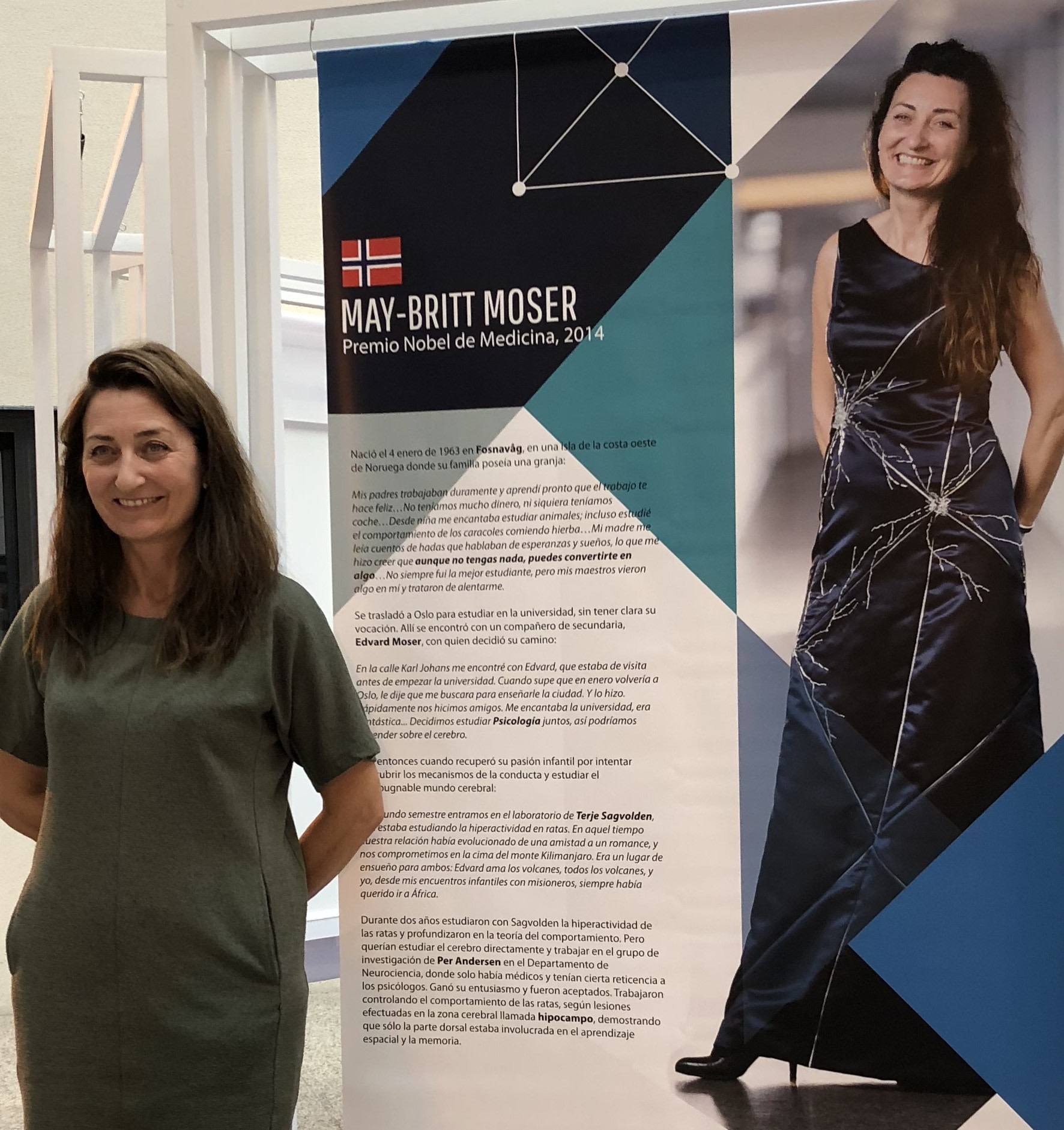
Professor May-Britt Moser ForMemRS (Foreign Member of the Royal Society) Nobel Prize in Physiology or Medicine 2014 Center for Algorithms in the Cortex, Kavli Institute for Systems Neuroscience, Faculty of Medicine and Health Sciences, Norwegian University of Science and Technology (NTNU)
Excerpt from the book Discovering Cajal
Discovering Cajal — Docs.Santiagoramonycajal