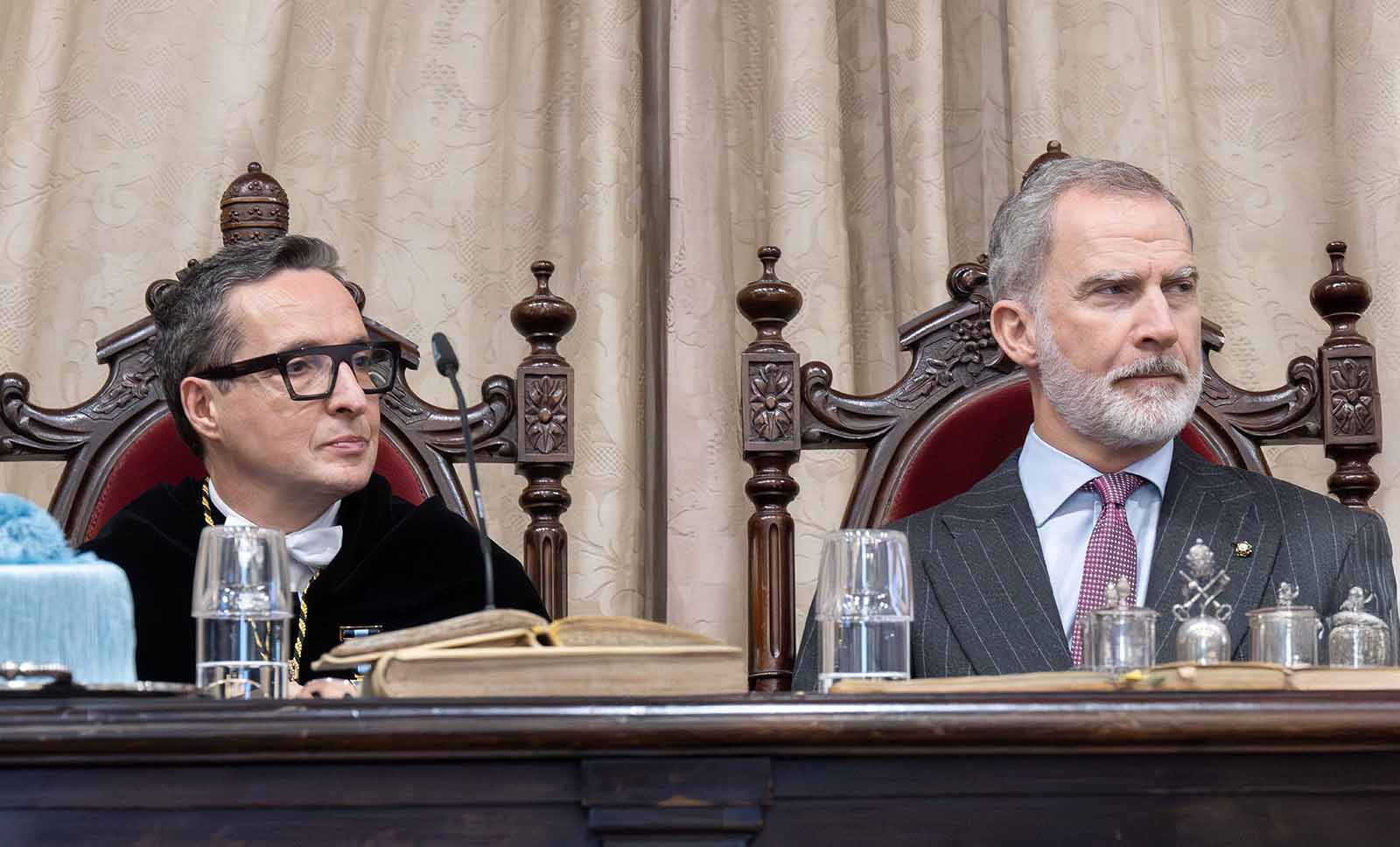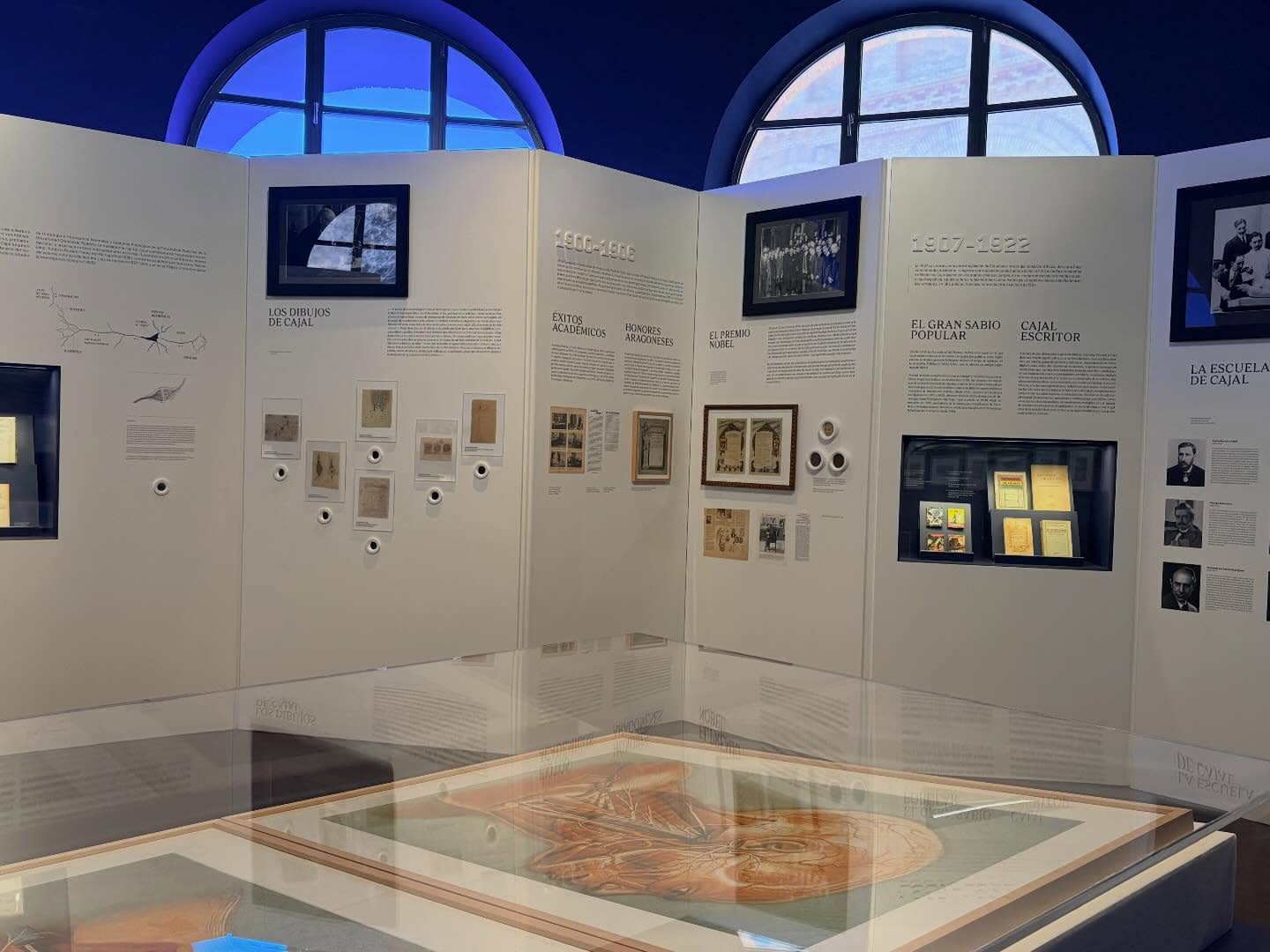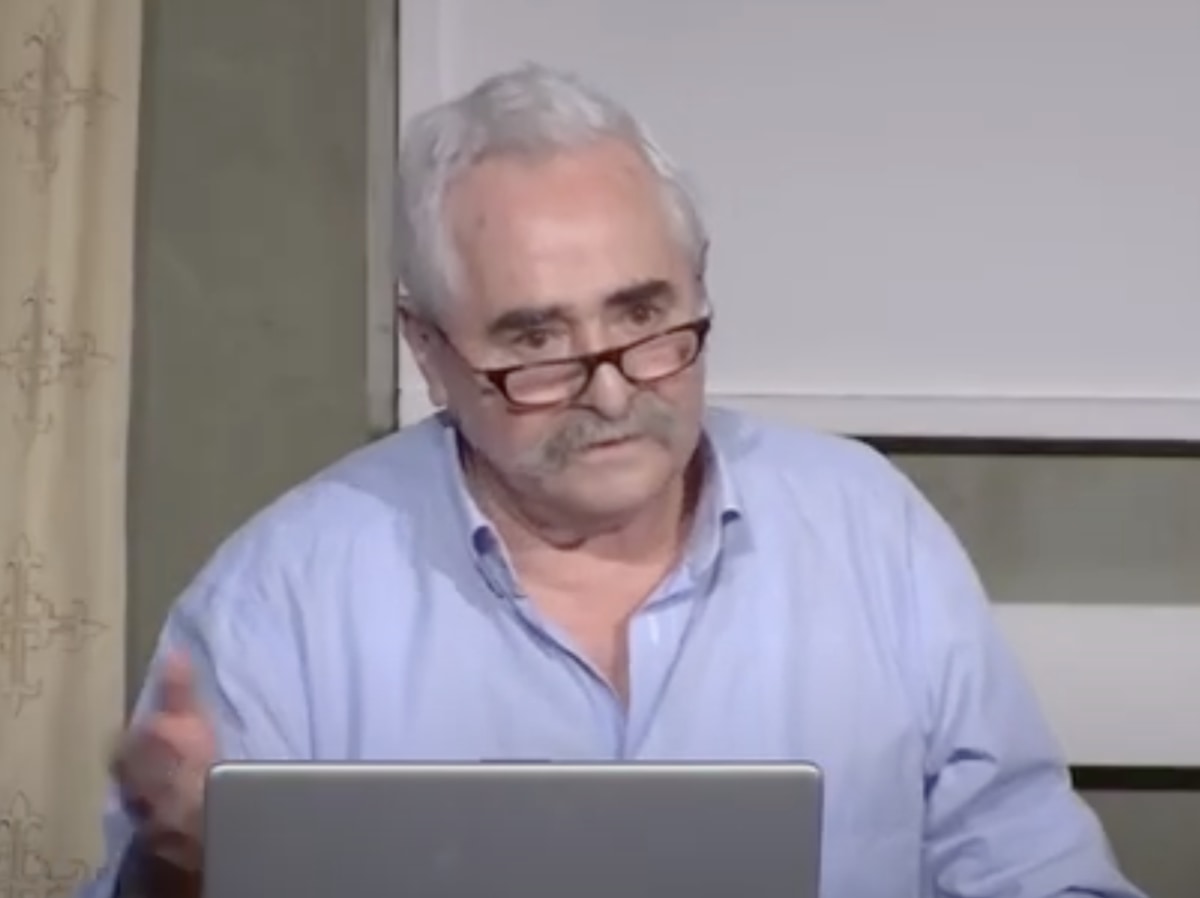
Pedro Uhalte Sevilla, commissioner of the permanent exhibition at the Casa-Museo de Cajal, collects and transcribes the original documents of the awarding of the Moscow Prize to Santiago Ramón y Cajal, which meant so much to him. The documentation was requested years ago from the University of Paris—known as the Sorbonne—by the mayor of Petilla de Aragón, Venancio Murillo.
Santiago Ramón y Cajal. Moscow Prize
Year 1900
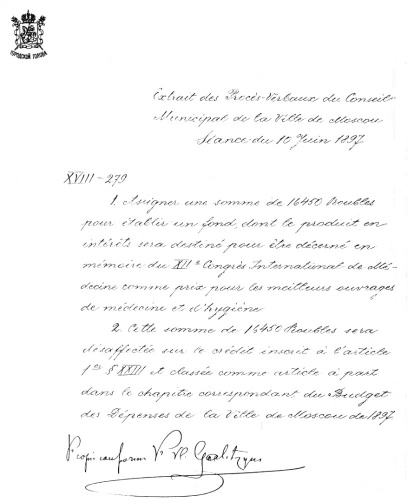
“Extract from the Minutes of the Municipal Council of the City of Moscow. Session of June 10, 1897
XVIII —279.
-
To allocate a sum of 16,450 rubles to establish a fund whose interest will be used to award, in memory of the 12th International Congress of Medicine, a prize for the best work in medicine and hygiene.
-
This sum of 16,450 rubles will be deducted from the credit registered in article 1, § XXIII and classified as a separate article in the corresponding chapter of the City of Moscow’s 1897 expenditure budget.
Session of the Moscow City Council
July 29, 1897
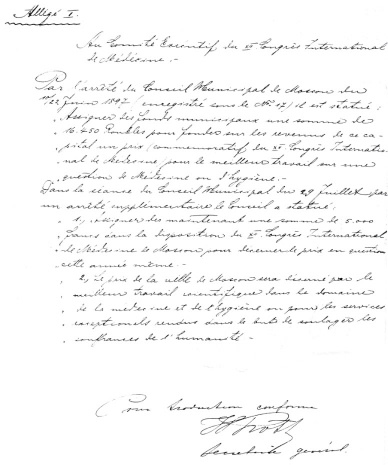
“To the Executive Committee of the 12th International Congress of Medicine…
At the Council session of July 29, by supplementary resolution, the Council establishes:
1st) To allocate forthwith a sum of 5,000 francs at the disposal of the 12th International Congress of Medicine of Moscow for awarding the prize this same year.
2nd) The Moscow city prize shall be awarded for the best scientific work in the field of medicine and hygiene, or for exceptional services offered in the fight to alleviate human suffering.
-
The committee of each congress shall elect a preparatory commission, which gathers the preliminary documentation for the awarding of the prize.
-
The definitive commission that will elect the candidate to be named in one of the general sessions of the congress shall be constituted as follows.
-
The honorary presidents of the congress and the sections shall meet in plenary assembly, at the request of the president of the congress, and among them shall name one member from each nation officially represented in the congress.
Signed: The President of the commission
Rudolf Virchow
The Secretary J. A. Homen”
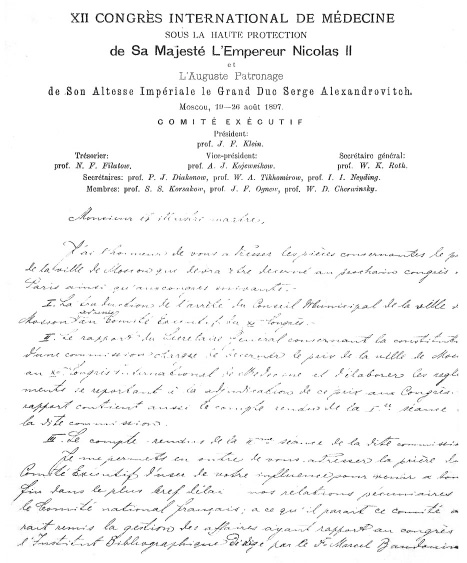
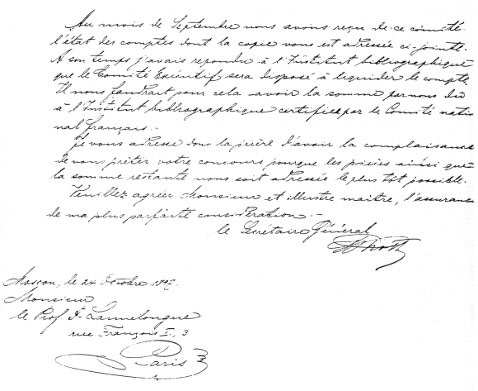
12th International Congress of Medicine
UNDER THE HIGH PROTECTION
Of His Majesty Emperor Nicholas II
and
The August Patronage
of His Imperial Highness Grand Duke Serge Alexandrovich.
Moscow, October 19–26, 1897
Jean Henry Dunant. First Moscow Prize
Jean Henry Dunant was the first to receive the Moscow Prize, his merits being his contribution to alleviating human suffering.
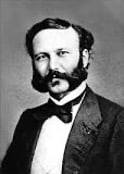
He was born in Geneva on May 8, 1828 and died in Heiden, Switzerland on October 30, 1910. From childhood he showed keen interest in the unfortunate, the needy, the humble, and the oppressed. At 20, he spent his Sunday afternoons visiting prisoners at Geneva’s prison. In 1855, with friends in Paris, he founded the Universal Alliance of Young Men’s Christian Associations.
On June 24, 1859, he was shocked by the great number of dead and wounded (40,000) at the Battle of Solferino between the French and Italians against the Austrians. With the help of inhabitants of neighboring towns, he attended to the victims without any discrimination. His book A Memory of Solferino had a great impact on European society.
In 1863, he founded with other friends the “International Committee for the Relief of Wounded Soldiers.” After intense activity, the first International Conference of Geneva was organized, bringing together representatives from 16 countries. At that conference on October 29, 1863, the Red Cross was born. He worked intensively in favor of international arbitration, disarmament, and peace.
In 1897 he received the first Moscow City Prize for his humanitarian merits. In 1901 he was awarded the Nobel Peace Prize, together with his friend Frédéric Passy, for their pacifist struggle.
Don Santiago has the honor of receiving the second Moscow City Prize, although it represents the first awarded to a scientist; more precisely, to the scientist whose contributions to science over a three-year period were the most outstanding.
Awarding of the Moscow Prize
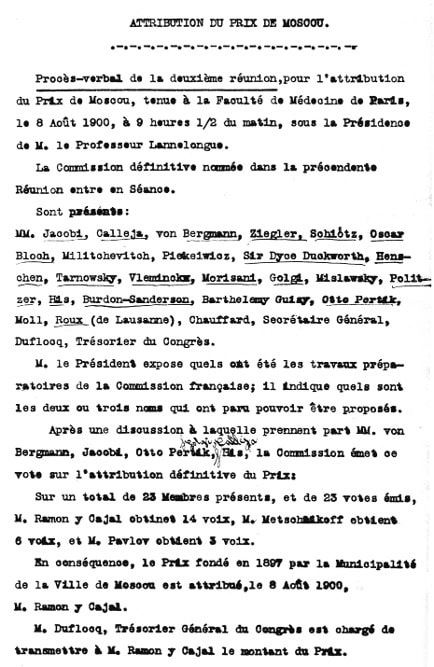
Minutes of the second meeting, for the attribution of the Moscow Prize, held at the Faculty of Medicine of Paris on August 8, 1900, at 9:30 AM, under the Presidency of Professor Lannelongue.
With a total of 23 Members present and 23 votes cast, Ramón y Cajal obtained 14 votes, Mechnikov obtained 6 votes, and Pavlov obtained 3 votes.
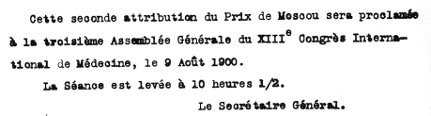
Consequently, the Prize founded in 1897 by the Municipality of the City of Moscow was attributed, on August 8, to Ramón y Cajal.
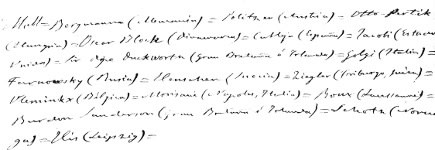
I imagine the Spanish representative, Dr. Julián Calleja, transmitting the news of the prize to the interested party, as well as to academic and political authorities.
I am convinced that it was Dr. Calleja who spread, though not in bad faith, the unanimity in awarding the prize in favor of Don Santiago, but as the minutes clearly reveal, the other two candidates also received 6 and 3 votes.
This small error, which has perpetuated itself to this day, does not diminish Don Santiago’s merits in the slightest; I believe that, knowing Cajal’s way of thinking—he constantly shared his distinctions with multiple scientists and his students—it would have been a great pride to have in the shortlist of “finalists” those who came to deserve, as Don Santiago would say, “in due time,” that their research work be rewarded with the Nobel Prize. Ivan Petrovich Pavlov received the Nobel Prize in 1904, Santiago Ramón y Cajal in 1906, and Ilya Mechnikov in 1908. I know of no three “scientific finalists,” even for such a great distinction, who have all gone on to deserve the Nobel Prize.
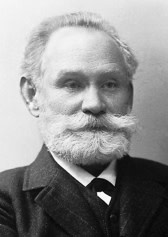
Ivan Petrovich Pavlov. 1849–1936. Nobel Prize in Physiology and Medicine in 1904. Born in Ryazan on September 14, 1849. He studied Medicine and Physiology at the University of Saint Petersburg, where he obtained his doctorate. He conducted studies with Professors Heidenhain and Ludwig, being appointed director of Physiology at the Institute of Experimental Medicine in Saint Petersburg. In 1904, he was awarded the Nobel Prize for his research on the digestive salivary glands.
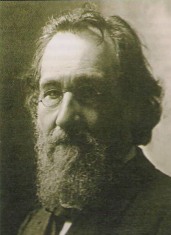
Ilya Mechnikov. 1845–1916. Nobel Prize in Physiology and Medicine 1908, together with Paul Ehrlich. Born on May 15 in the Russian city of Ivanovka. He studied in Huyessen, Göttingen, and Munich. He obtained the chair of Zoology in Odessa. He was professor of Comparative Anatomy at the University of Saint Petersburg and in 1882, for political reasons, left Russia, moving to Messina, then to Vienna, and finally to Paris, where he worked at the Pasteur Institute from 1888. His research focused on immunity and phagocytosis.
Let us see how Don Santiago explains it in his autobiography:
The year 1900 saw an event that had a capital influence on my scientific future. The International Congress of Medicine, assembled in Paris, had the kindness to award me the important and coveted international prize (6,000 francs). Established by the city of Moscow to commemorate the Medical Congress held a few years earlier in that city, said award was to be given to the most important medical or biological work published anywhere in the world during each triennium or interval between two Medical Assemblies…
Great was my joy upon receiving the happy news, and more so upon noting that the honor was accompanied by some thousands of francs, a gift not to be scorned by an exhausted purse…
Among the congratulations, I must recall, for the caliber of their authors, the heartfelt telegram from H.M. Queen Cristina; the affectionate letter from the President of the Council of Ministers, Francisco Silvela; the no less warm letter from the Minister of Development, the message from the Zaragoza City Council, etc., etc.