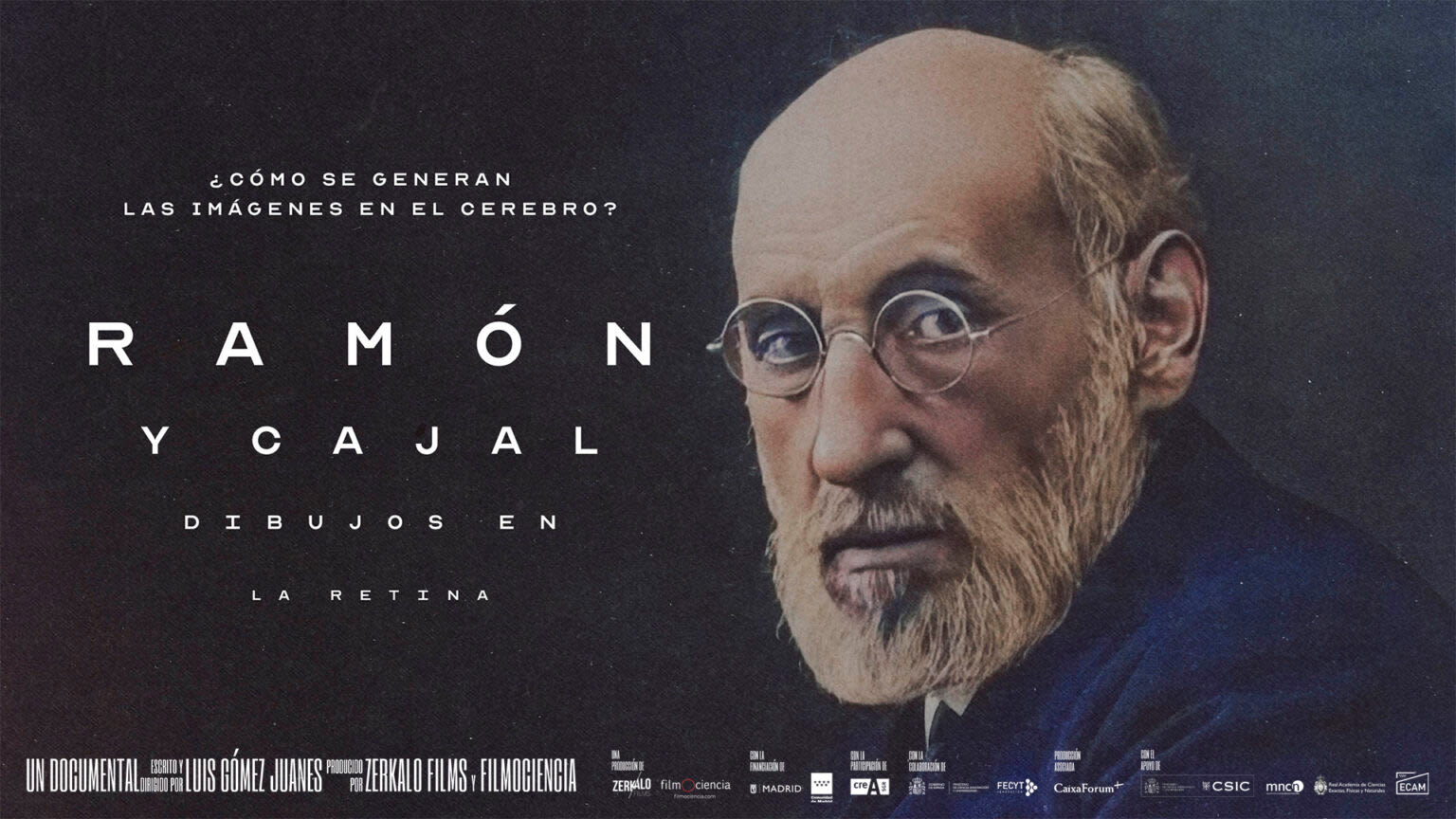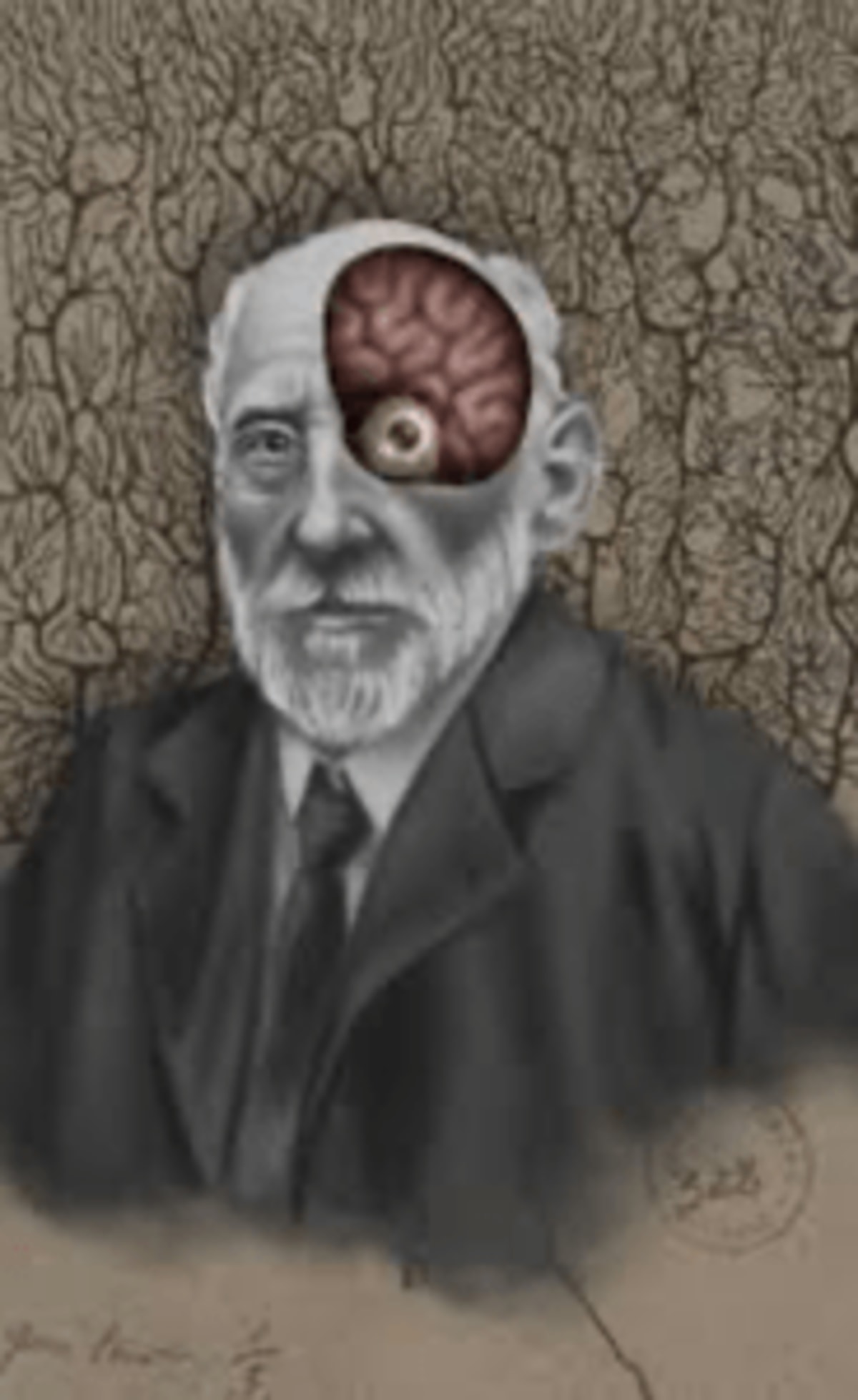
Introduction: The Echo of a Genius in the Science of the Future
Santiago Ramón y Cajal once described neurons as “the mysterious butterflies of the soul, whose beating of wings may one day reveal the secret of mental life” (“las misteriosas mariposas del alma, cuyo batir de alas quién sabe si esclarecerá algún día el secreto de la vida mental”). More than a century later, that poetic intuition resonates with astonishing force in the world’s most advanced laboratories. Today, neuroscience not only observes the flutter of those butterflies but is beginning to translate their language. Two recent studies, published in the prestigious journals Nature and Cell, reveal advances that seem drawn from science fiction: brain implants capable of decoding inner speech and translating thoughts into audible voice in near real time.
These achievements, which offer new hope to people with severe paralysis, might appear to be a quantum leap that leaves behind the era of the microscope and India ink. However, a deeper look reveals the opposite. Far from surpassing Cajal, these futuristic technologies are built, brick by brick, upon the indestructible foundations he laid. Every implanted electrode, every decoded neuronal signal, and every word synthesized from thought is a tribute to the fundamental principles that the Aragonese genius unveiled to the world. This article explores how the Neuron Doctrine, the Law of Dynamic Polarization, and the concept of Brain Plasticity are not mere historical antecedents but rather the indispensable operating system upon which the most revolutionary neurotechnology of our time runs.
The Indispensable Foundation: The Neuron Doctrine in the Digital Age
The fundamental premise of modern brain-computer interfaces (BCI) is the ability to “listen” to brain activity with astonishing precision. In one of the studies, researchers placed an implant as thin as a sheet of paper, equipped with 253 electrodes, directly on the surface of a patient’s cerebral cortex. In the other, microelectrodes were used to record signals from the motor cortex. Both approaches depend on a fact that we take for granted today but that was once scientific heresy: the brain is composed of individual, discrete cells.
This is the essence of Cajal’s Neuron Doctrine. Before him, the dominant view, championed by Camillo Golgi, was the Reticular Theory, which conceived the nervous system as a continuous, undifferentiated network. Had Golgi been right, any attempt to record brain activity would have been like trying to overhear a specific conversation in a stadium full of people shouting in unison: chaotic, indecipherable noise.
It was Cajal’s demonstration that neurons are independent units, communicating with one another without ever fusing, that opened the door to neuroscience. The current technology that allows an implant to record the “combined activity of thousands of neurons” is the definitive confirmation of his vision. Each electrode is “listening” to the activity of a specific population of those “butterflies of the soul,” validating the principle that thought and action emerge from the coordinated activity of individual cells. Without the Neuron Doctrine, there would simply be no precise place to position the electrodes.
Following Cajal’s Arrows: From Polarization to Mind Reading
Cajal did not merely draw the map of the brain; he also gave us the first rules of traffic. His Law of Dynamic Polarization was a brilliant deduction: he postulated that the nerve impulse travels in a predictable direction, generally from the dendrites toward the cell body and from there along the axon to the next neuron. To illustrate this idea, he began adding small arrows to his drawings — a functional hypothesis indicating the flow of information.
The recent BCI advances are, in essence, the technological materialization of those arrows. The implants do not merely detect that neurons are active; they decode the process by which thought becomes speech. To achieve this, the electrodes are placed in specific regions, such as the motor cortex — the area involved in voluntary movements, including speech. This functional localization is a direct legacy of Cajal’s method, which always sought to link structure with function.
Artificial intelligence systems analyze these neural signals, break them down into their smallest phonetic units (phonemes), and then reconstruct them into complete words and sentences. They are, quite literally, following the flow of information that Cajal predicted. The system is capable of detecting words and converting them into audible speech in under 3 seconds, approaching the speed of natural conversation. It is as though modern technology had learned to see and translate the arrows Cajal drew more than a century ago — not on paper, but in the living brain.
A Quantum Leap in Speed and Naturalness
The innovations presented in these studies mark a turning point. The first system, developed at the University of California, San Francisco, achieves unprecedented speed, producing between 47 and 90 words per minute — approaching the pace of natural conversation (roughly 160 words per minute). This represents a monumental advance over earlier technologies, which were slower and more fragmented, resembling “a WhatsApp conversation.” The key lies in an AI system that decodes neural signals and converts them into voice simultaneously, in near real time, allowing for the first time the transmission of tone and emphasis in natural speech.
The second advance, led from Stanford University, addresses one of the greatest challenges: the decoding of inner or imagined speech. The system successfully interpreted 74% of the sentences that participants merely thought, using a vocabulary of 125,000 words. But its most crucial innovation is an elegant solution to the privacy dilemma: the system activates only when the user thinks of a pre-established mental “password” (‘Chitty-Chitty-Bang-Bang’ in the study), which the device recognizes with over 98% accuracy. This mental barrier ensures that the interface does not translate private or accidental thoughts — a fundamental step toward the safe use of these technologies in the real world.
Sculpting the Brain, Training the Machine: Plasticity at the Interface
Perhaps Cajal’s most visionary idea was that of neuronal plasticity. In a phrase that has become celebrated, he stated: “Every man can, if he so desires, become the sculptor of his own brain” (“Todo hombre puede, si se lo propone, escultor de su propio cerebro”). With this, he anticipated the notion that the brain is not a static structure but a dynamic organ that constantly reorganizes itself in response to experience and learning.
This principle is the key to the success of the new BCIs. For the systems to work, both the user and the machine must learn. Researchers “train” the artificial intelligence models by showing them the patterns of brain activity generated when the person attempts to speak or imagines saying a series of words. The patient in one of the studies, for example, silently repeated a vocabulary of 1,024 words so that the system could learn to associate her unique neural patterns with specific sounds.
This training process is a form of technologically mediated plasticity. The user’s brain creates and reinforces the neural pathways needed to control the interface, while the machine’s algorithm “molds” itself to interpret the signals from that particular brain. The result is a symbiosis in which the brain sculpts itself to communicate through a new channel. The success of this interaction — with accuracy of up to 74% in decoding imagined sentences — is compelling evidence of the adaptive capacity that Cajal intuited.
The Echo of Cajal’s Humanism: From Restoring the Voice to Protecting the Mind
Beyond the technical feat, what most deeply connects these advances with the spirit of Cajal is their humanistic purpose. Don Santiago was, above all, a physician dedicated to understanding and alleviating human suffering. The BCIs described in Nature and Cell are not a mere technological experiment; they are tools designed to restore one of the most essential human capacities — communication — to people who have lost it due to stroke or neurodegenerative diseases such as ALS. In a poignant detail, the researchers personalized the synthetic voice of one of the participants using video recordings from her wedding, allowing her to speak again with an echo of her own voice.
This new technological frontier, however, opens an abyss of ethical questions that Cajal himself, with his profound philosophical awareness, would have recognized as crucial. If it is possible to decode thought, what protects the last frontier of human privacy: the mind itself? This question is the central axis of the work of Rafael Yuste, a neuroscientist at Columbia University and one of the foremost intellectual heirs of the Cajalian tradition in the 21st century. As the driving force behind the BRAIN Initiative, an ambitious global project to map the activity of the human brain, Yuste stands at the forefront of a revolution that he himself compares to a “new Renaissance.” But he warns that as we venture into those “impenetrable jungles” (“selvas impenetrables”) that Cajal described, we risk losing our way if we do not first establish a robust ethical framework.
Yuste argues that the technology to record and manipulate brain activity on a large scale will be available within one to two decades. Faced with this reality, he has proposed the creation of “neurorights” — an update to Human Rights for the era of neurotechnology. These new rights seek to protect the essence of what makes us human and center on five key principles:
-
The right to mental privacy: Ensuring that our thoughts cannot be deciphered without our explicit consent.
-
The right to personal identity: Protecting the integrity of our “self” so that it cannot be altered from outside without consent.
-
The right to free will: Guaranteeing that our capacity to make decisions is not manipulated by external neurotechnologies.
-
The right to equitable access: Ensuring that cognitive enhancement technologies do not create an insurmountable gap between different social groups, applying a universal principle of justice.
-
Protection against bias: Preventing the algorithms that interact with our brains from containing biases that could harm us.
This initiative is not mere futuristic speculation but a pressing necessity that has already found global resonance, with Chile becoming the first country to protect brain activity in its Constitution. Yuste himself believes that Don Santiago “would be delighted by the interest Spain is showing in neurorights” (“estaría feliz por el interés que muestra España sobre los neuroderechos”). For Cajal, the ultimate purpose of science was the regeneration and progress of his country and of humanity. Protecting the human mind from the potential dangers of the technology that his own work inspired is, therefore, the logical and necessary culmination of his humanistic legacy.
The Debate in the Present: Neurotechnology and Law Meet in A Coruña
The conversation about neurorights, which stems directly from the possibilities opened by Cajal’s legacy, is not a futuristic exercise. It is an urgent and current debate that found one of its most important forums in Spain on September 26 in A Coruña, during the conference “Neurotech & Law. The Future of the Human Brain and the Technologies Crossing the Last Frontier of Knowledge.”
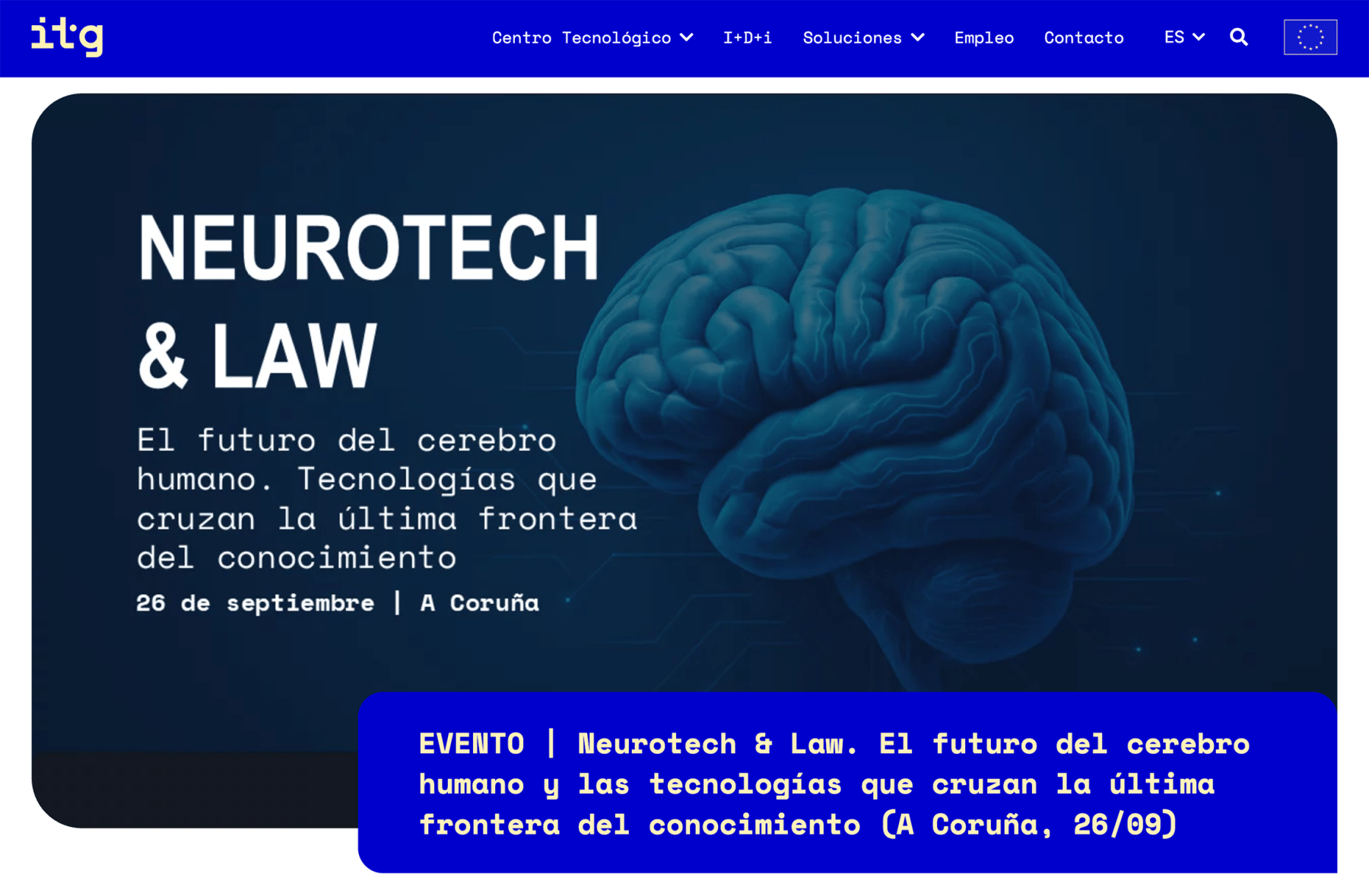
Organized by the ITG technology center and The Centre for Neurotechnology and Law, the event brought together leading international experts in neuroscience, law, medicine, and technology to address the challenges and opportunities of this new era. The objective, in the words of Carlos Calvo Orosa, ITG’s director general, is “to drive responsible, ethical innovation with social impact” (“impulsar una innovación responsable, ética y con impacto social”), bringing to the general public a revolution that will transform medicine, justice, and society.
This debate featured the participation of key figures who continue the Cajalian tradition, such as neuroscientist Cristina Nombela (Universidad Autónoma de Madrid), who analyzed the state of the art in neurotechnology, and neurologist David Ezpeleta, Vice President of the Spanish Society of Neurology (SEN), who moderated a crucial panel on the opportunities and risks of neurotechnology in the recovery and enhancement of brain capacities. Their presence underscores how the Spanish scientific community, heir to Cajal’s School, leads today’s reflection on the ethical consequences of its own advances. As attorney Angel Judel Pereira, one of the organizers, emphasized, the choice of A Coruña was no coincidence: “We aim for Spain and the Latin American countries not to fall behind in the research, knowledge, and regulation of technologies that will forever change our understanding of the mind and the brain” (“Pretendemos que España y los países hispanoamericanos no se queden atrás en la investigación, conocimiento y regulación de unas tecnologías que cambiarán para siempre nuestro conocimiento de la mente y el cerebro”). This conference exemplifies how Cajal’s “butterflies of the soul” have flown from his 19th-century laboratory to the parliaments and technology centers of the 21st century, compelling society to define the limits and safeguards of the last human frontier.
Conclusion: The Future Is Written with Cajal’s Ink
From Cajal’s modest laboratory in Barcelona to the neuroengineering centers of California, the fundamental objective has not changed: deciphering the brain’s code to understand the mind and improve human life. Brain-computer interfaces, which allow a person to speak through thought, are the culmination of a journey that began with a pencil, a microscope, and the indomitable will of one man.
They demonstrate, beyond any doubt, that Santiago Ramón y Cajal’s discoveries are not museum pieces. They are living, active principles, as relevant today as they were in 1906. The Neuron Doctrine tells us where to look, Dynamic Polarization teaches us to follow the flow of thought, and Plasticity gives us the key to interact with it. The “mysterious butterflies of the soul” are beginning to speak to us, and they do so in a language whose fundamental grammar was written, long ago, by the architect of the brain. Now, his intellectual heirs remind us that protecting the sanctuary of that mind is a task as crucial as exploring it.
Relevant Bibliography
-
Conroy, G. (2025). A mind-reading brain implant that comes with password protection. Nature, 644, 852.
-
Kunz, E. M., et al. (2025). Inner speech in motor cortex and implications for speech neuroprostheses. Cell.
-
Littlejohn, K. T., et al. (2025). A streaming brain-to-voice neuroprosthesis to restore naturalistic communication. Nature Neuroscience.
-
Naddaf, M. (2025). Brain implant translates thoughts to speech in an instant. Nature, 640, 295.
-
Ramón y Cajal, S. (1899-1904). Textura del sistema nervioso del hombre y de los vertebrados. N. Moya.
-
Ramón y Cajal, S. (1899). Reglas y consejos sobre investigación científica: Los tónicos de la voluntad. Fortanet.
-
Yuste, R., Goering, S., et al. (2017). Four ethical priorities for neurotechnologies and AI. Nature, 551(7679), 159–163.
JORNADAS-26-09-25-SOBRE-EL-FUTURO-DEL-CEREBRO-HUMANO — Docs.Santiagoramonycajal
d41586-025-02589-5 — Docs.Santiagoramonycajal
d41586-025-01001-6 — Docs.Santiagoramonycajal