Executive Summary
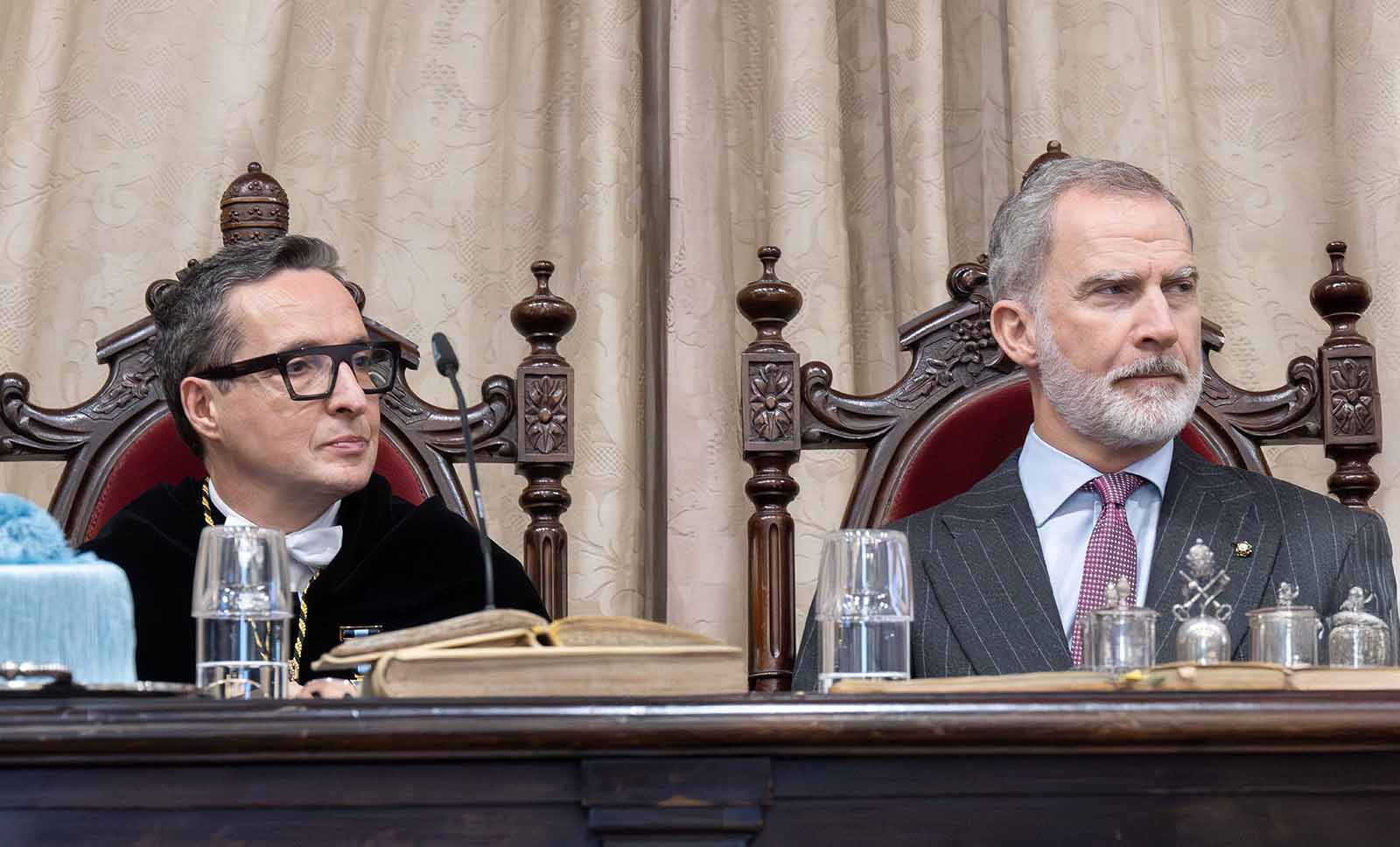
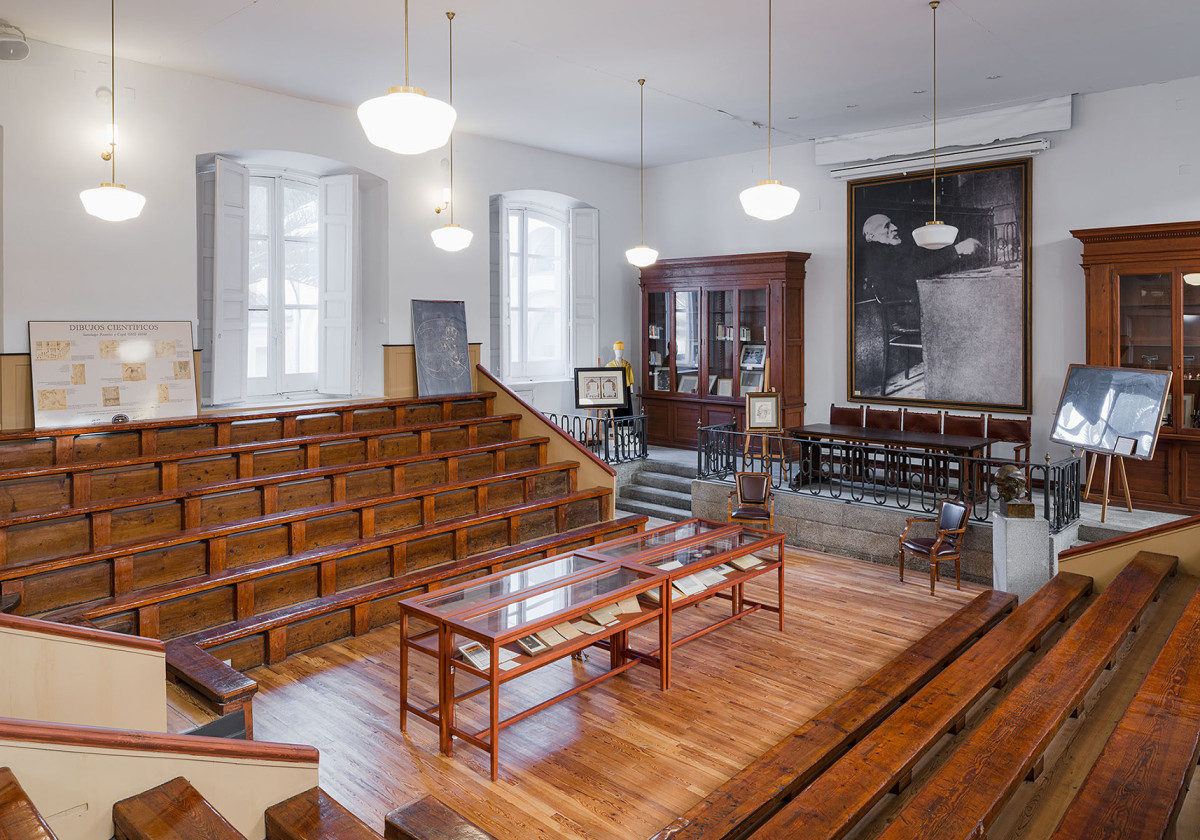
“Por Cajal y la Ciencia” has produced this open document because, as Fernando de Castro tells us in the prologue to “Fotografia de los colores” (Madrid, March 1966), “Cajal was always alert to forestall a possible ‘national embarrassment’” (“Cajal siempre estaba alerta para atajar un posible ‘ridiculo nacional’”). Now it falls to us to remain vigilant so that the Cajal Museum does not consist, once again, in tendering a grand architectural project and leaving its interior adrift. That is why this article presents, once the former Faculty of Medicine of the Central University has been designated by the Minister of Science, Innovation and Universities, Diana Morant, as the building, the possible guiding principles for the content.
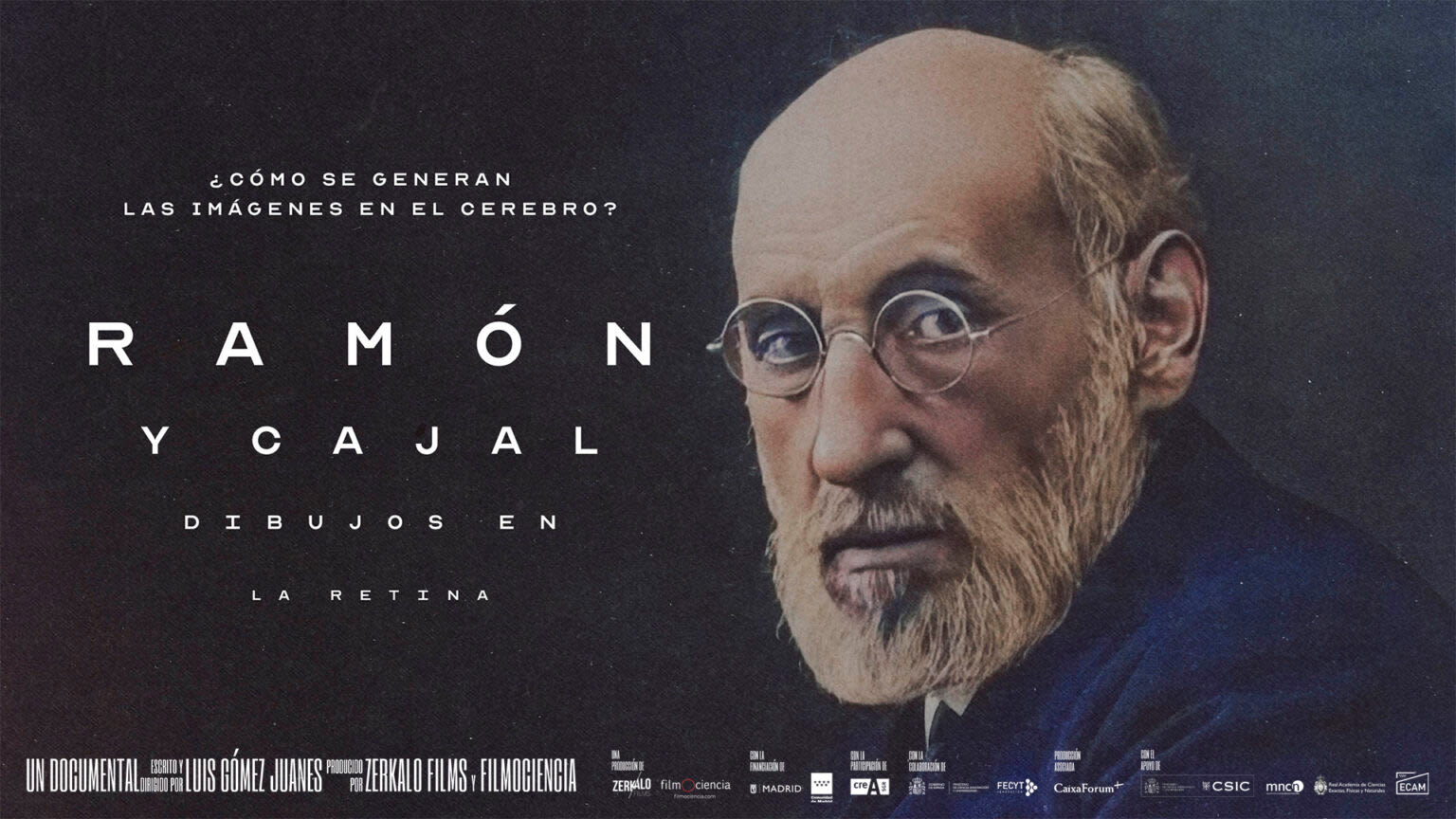
Santiago Ramon y Cajal (1852-1934) is a titanic figure whose legacy transcends his status as the father of neuroscience and Spain’s first Nobel Laureate in Physiology or Medicine. This article explores his multifaceted universe, presenting him not as a historical relic but as a living force that continues to shape 21st-century science. Cajal is analysed as an architect in three dimensions: architect of the brain, whose Neuron and Dynamic Polarisation theories laid the foundations of our understanding of the mind; architect of a country, who, as leader of the “Generation of Scholars” and president of the Board for the Extension of Studies (JAE), fought to regenerate Spain through science and education; and architect of himself, a Renaissance humanist — artist, photographer, inventor, writer, and sportsman — who embodied his own philosophy of the will as the engine of self-improvement.
The text delves into the relevance of his work, tracing a direct lineage from his discoveries to the most advanced frontiers of current research: his oncological theories prefigure modern immunotherapy and virotherapy; his Neuron Doctrine is the foundation for understanding diseases such as Alzheimer’s; and his principles on neuronal structure are the conceptual scaffolding of artificial intelligence. The contemporary “Cajal Ecosystem” is also examined: a set of initiatives such as the “Ramon y Cajal” talent attraction programme, the National Prizes bearing his name, and the civic mobilisation that has culminated in the creation of a National Museum, institutions that perpetuate his vision. Finally, it is proposed that this future museum should not be a mausoleum but a “living brain”: an interactive, digital, and global centre that, through a “Cajalian metaverse” and an avatar of the scholar himself, inspires new generations to “advance on the shoulders of giants,” keeping alive the flame of curiosity and excellence that defined his life.
Article Outline
- Axis I: Person and Context – Forged in Adversity and Passion
- Axis II: The Cajal Method – See, Draw, Understand
- Axis III: Contributions and Legacy – The Arrows of Thought in the 21st Century
Axis I: Person and Context – Forged in Adversity and Passion
The Spain of the Restoration: A Country in Search of Itself
Santiago Ramon y Cajal lived and worked during one of the most turbulent and defining periods of modern Spanish history: the Bourbon Restoration (1874-1931). A formative experience was his service as a military physician in the Ten Years’ War in Cuba (1874-1875). There he contracted malaria and dysentery, diseases that brought him to the brink of death. The “Disaster of 98” — the humiliating loss of the last overseas provinces — plunged the country into a profound identity crisis. From this national trauma was born Regenerationism. Cajal embodied a radically different response to the literary Generation of 98, offering a path of action through the laboratory.
The Multifaceted Man: The Multiple Lives of Santiago Ramon
- The Rebel Artist: From childhood, Cajal displayed an irrepressible artistic vocation. This skill became the cornerstone of his future scientific work.
- The Disciplined Sportsman: He dedicated himself to physical culture with astonishing intensity.
- The Inventor and Pioneer Photographer: He was a pioneer of colour photography in Spain and an innovator in microphotography.
- The Science Fiction Writer: In his Holiday Tales (“Cuentos de vacaciones,” 1905), Cajal used fiction to explore the ethical and philosophical implications of scientific progress.
The Inner Circle: Anchors in a World of Ideas
- Justo Ramon, the Father-Mentor: His father was both Cajal’s first anatomy teacher and the severe disciplinarian who sought to repress his artistic inclinations.
- Silveria Fananas, the Silent Collaborator: His wife was much more than domestic support; she collaborated directly in the home laboratory, helping him make his own high-quality photographic plates.
Axis II: The Cajal Method – See, Draw, Understand
The Will as a Tool: “The Tonics” of the Researcher
His work “Rules and Advice on Scientific Research” (1897) is a treatise on the psychology and ethics of the researcher.
Visual Epistemology: Drawing as an Instrument of Thought
Cajal’s more than twelve thousand drawings were not simple illustrations but his primary tool for thinking, analysing, and theorising. The iconic arrows he added to his drawings to indicate the direction of nerve impulse flow represented a purely intellectual inference — the visualisation of his Principle of Dynamic Polarisation.
Alchemy in the Laboratory: Taming the “Reazione Nera”
Cajal’s most important innovation was the “double impregnation procedure” (“proceder de doble impregnacion”), which achieved a much more complete and consistent staining. He also applied the technique to embryonic and neonatal nervous tissue, allowing him to follow the complete trajectory of a nerve fibre for the first time in history.
Axis III: Contributions and Legacy – The Arrows of Thought in the 21st Century
The Silent Revolution: Neuron Doctrine and Dynamic Polarisation
The Neuron Doctrine and the Law of Dynamic Polarisation transformed the brain from a static map into a dynamic circuit, an information-processing organ with structural and functional logic.
The Cajal School: Contributions to Knowledge and Health
The Spanish School of Neurohistology was considered one of the most successful in the history of biomedicine. Key disciples included:
- Pio del Rio-Hortega: Discoverer of microglia and oligodendroglia.
- Fernando de Castro: Discoverer of the arterial chemoreceptors.
- Rafael Lorente de No: Described the columnar organisation of the cerebral cortex and “reverberating circuits.”
- Domingo Sanchez y Sanchez: Principal collaborator in the study of the invertebrate nervous system.
The Institutional Legacy: Building a Spanish Science
Cajal served as director of the National Hygiene Institute Alfonso XIII (from 1900), president of the JAE (1907-1934), and life senator (from 1910). Women pioneers such as Laura Forster and Manuela Serra also made crucial contributions.
The Relevance of Cajal: Dialogues with the Present and Future
- The Pioneer Immunologist: In 1885, Cajal introduced the concept of an inactivated “chemical vaccine.”
- The Other Doctrine: Hidden Founder of Modern Oncology: He anticipated the theory of cancer stem cells, the principle of immunotherapy, and described plasma cells.
- The Ancestor of Artificial Intelligence: His Neuron Doctrine and Dynamic Polarisation principles are the conceptual scaffolding of neural networks.
- The Guardian of the Mind: Cajal’s legacy is relevant to the neurorights debate.
- The Explorer of Worlds: From the neuronal jungle to Mars.
The Cajal Museum: A Space for Intergenerational Discovery
The future museum should not be a mausoleum but a “living brain”: an interactive, digital, and global centre that inspires new generations to advance on the shoulders of giants.