1. Introduction: the paradigm shift in brain exploration
The human brain constitutes, without a doubt, the most complex biological and computational structure in the known universe. Understanding the fundamental mechanisms underlying its function stands as one of the greatest scientific, philosophical, and medical challenges of contemporary science. Achieving a deeper understanding of the brain is not merely an epistemological curiosity but a vital urgency in the face of the dramatic increase in neurological and psychiatric disorders that generate an incalculable socioeconomic cost.
In this historical context, the Spanish Society of Histology and Tissue Engineering (SEHIT) is not merely a professional body; it stands as the spiritual heir and institutional custodian of a scientific tradition that changed the course of humanity. Historically, neurobiology faced these immense challenges through eminently reductionist approaches, isolating cells in Petri dishes. However, at the dawn of the twenty-first century, an irrefutable consensus has emerged: the function of neural circuits is fundamentally an emergent property. As in statistical mechanics, mental phenomena cannot be understood by observing cells in isolation from their network.
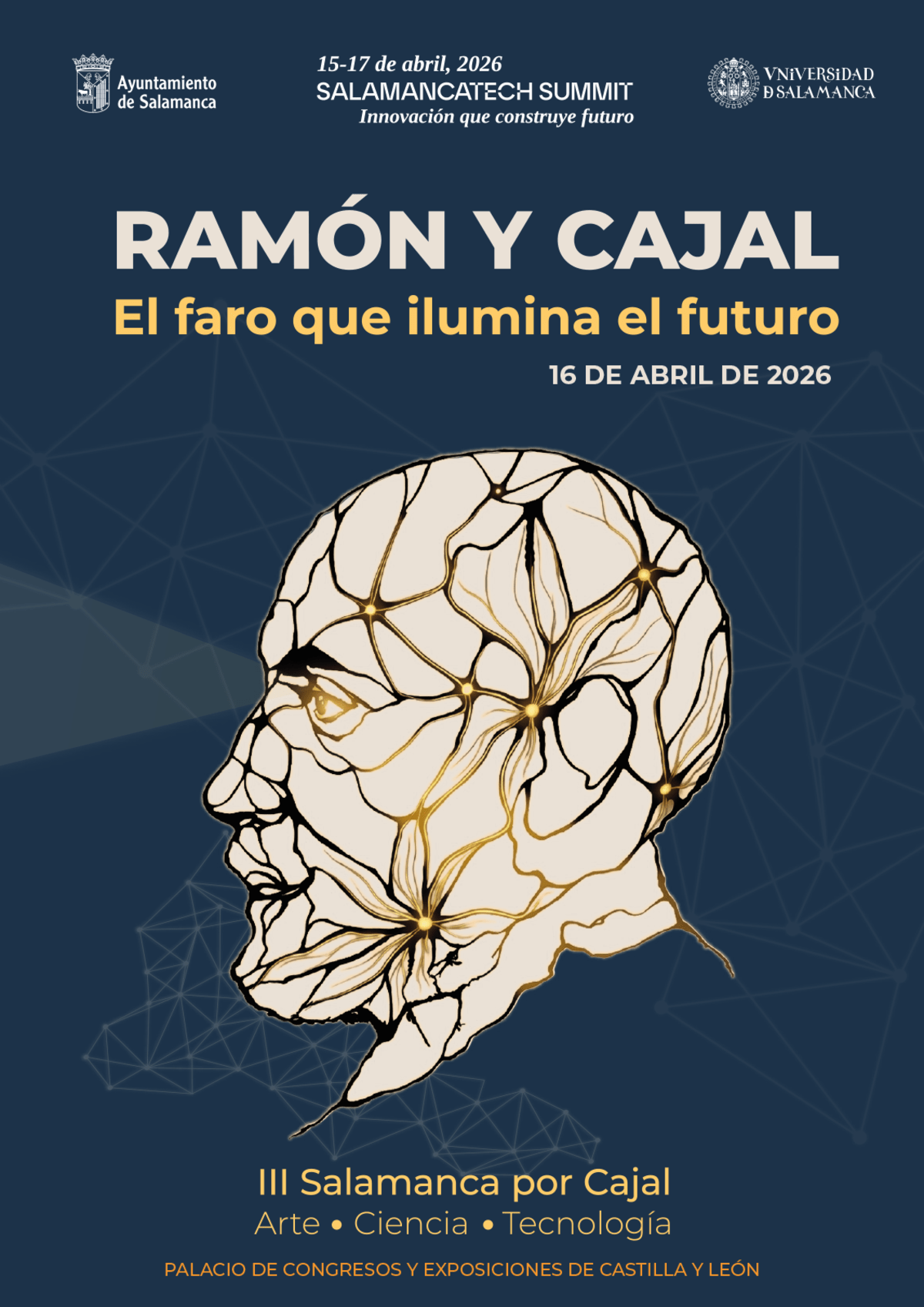
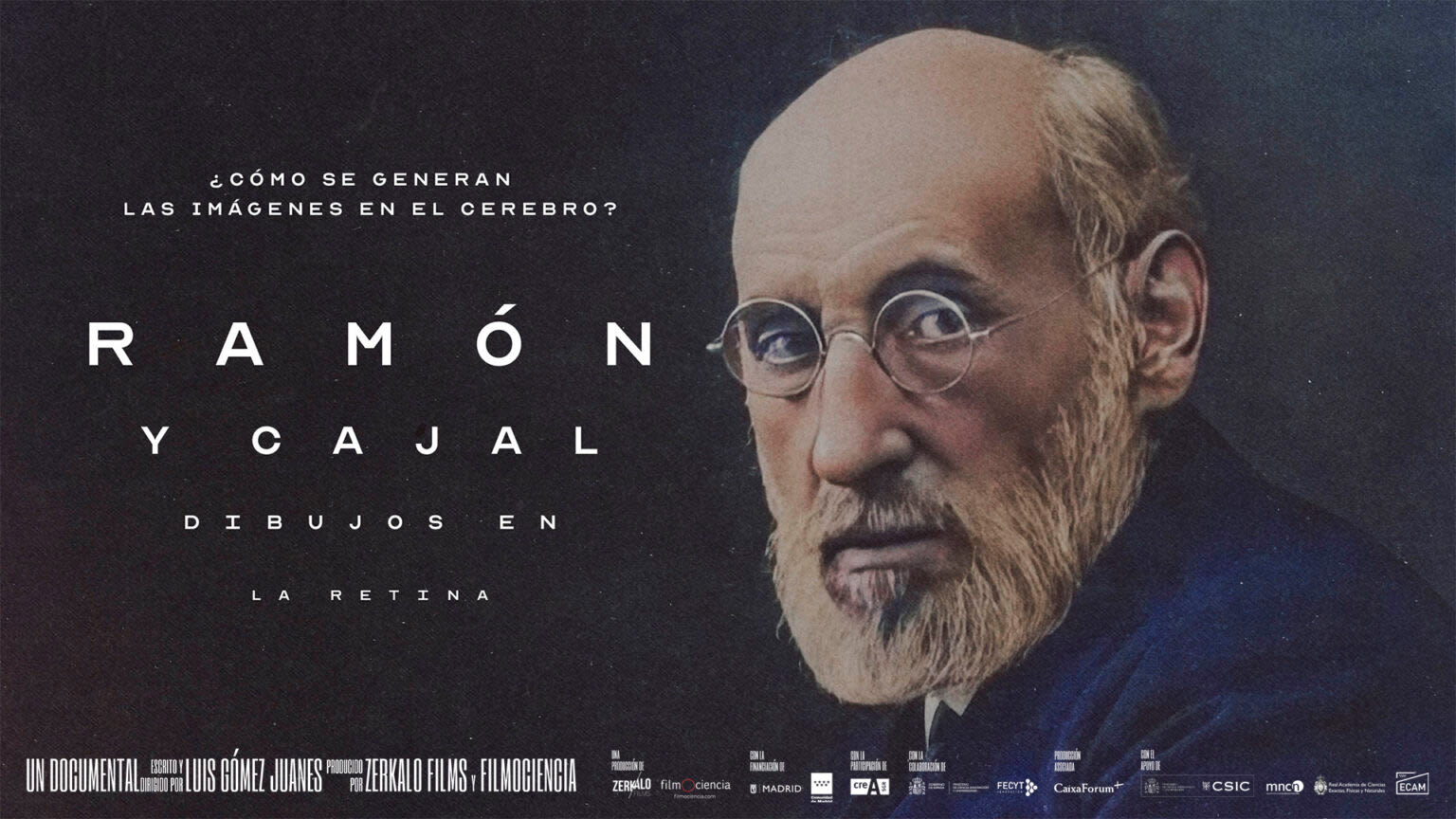
SEHIT breathes and works under the inexhaustible inspiration of Don Santiago Ramón y Cajal. It was he who, armed with silver impregnations, formulated the neuron doctrine and described the “impenetrable forests” of the cerebral parenchyma. Today, undertaking an unprecedented conceptual transition from the static snapshots of classical morphology toward spatial omic sciences, massive connectomics, and engramics, SEHIT continues to redefine the paradigms of health. Its mission ensures biomedical advancement and the preservation of the “Cajal Legacy,” guaranteeing that the Spanish neurohistological school continues to illuminate the therapeutic frontiers of tomorrow.
2. Genesis and metamorphosis: from classical histology to omic sciences
The history of SEHIT is the living account of a brilliant evolutionary adaptation, accompanying the most spectacular methodological transition in the history of biology.
2.1. The historical substrate and the limitations of reductionism
To understand the identity of SEHIT, it is imperative to trace back to the genius of the Spanish Histological School. Although traditional histological techniques laid the foundations of neuroanatomy, they presented formidable limitations: they provided static images, lacking transcriptional dynamics, creating an insurmountable gap between biological form and molecular function. This morphological limitation became painfully evident when attempting to unravel the aetiology of pathologies such as Alzheimer’s, where the mere observation of tissue atrophy proved insufficient.
2.2. The revolution of transcriptomics and spatial multi-omics
The re-founding of the society in 2003, when it became the Spanish Society of Histology and Tissue Engineering (SEHIT), marked the institutional embrace of a new biotechnological era. Today, the paradigm has transcended toward spatial multi-omics, enabling the systematic alignment of RNA abundance, proteins, and epigenetic modifications with the physical structure of tissue.
The convergence with artificial intelligence has accelerated this leap. Predictive algorithmic models can extract molecular information directly from traditional histological preparations, democratising molecular inference. Simultaneously, the development of “Omic Expansion” (ExO) allows histologists to achieve sub-nanometric resolutions. Today, chromatin states and lipid distributions are mapped while retaining the native tissue context, a biophysical feat that endows the intricate drawings Cajal traced freehand with a molecular soul.
3. Connectomics and engramics: mapping the geography of memory
If omic technologies provide the molecular catalogue, the next challenge that structures SEHIT’s current scientific debate is mapping the labyrinth of physical connections: connectomics and engramics.
3.1. Connectomics: the titanic challenge of “big data”
Micro-scale connectomics aspires to achieve the definitive resolution, seeking to map the precise location of every synapse. The histological magnitude is overwhelming: the human cortex contains more than 160 trillion synapses. Digitising a single cubic millimetre of cortex generates approximately 2 petabytes of raw data. The ultimate goal of this massive computational deployment is reduction to mineable mathematical graphs to attempt to close the deep chasm between Structural Connectivity (the inert histological “wiring”) and Functional Connectivity (the temporal dynamics of the thinking brain).
3.2. Engramics and the “engram” hypothesis
If connectomics traces the roads, engramics investigates the traffic: how episodic events leave indelible physical traces. Viral molecular biology and optogenetics have finally managed to isolate the cellular engram, confirming the audacious intuitions of the Spanish School about the stability of memory. Recent evidence in high-resolution connectomic atlases (such as H01) demonstrates that the trace of memory is anchored in formidable physical networks, revealing up to 4.46 km of axonal length and connections of up to 50 synapses in compass neurons, forming circuits of exceptionally high resistance to forgetting.
Today we know that memory does not reside in a single cell but in an “engram”: a complex of neuronal ensembles distributed pan-cerebrally. Furthermore, the field has revealed that neuronal recruitment is not random but a fierce competition dictated by transient cellular excitability mediated by epigenetic regulatory mechanisms.
3.3. Clinical translation: from trauma to the silent engram
This conceptual framework has fractured the aetiological philosophy of psychopathologies. Post-Traumatic Stress Disorder (PTSD) is no longer seen as simple amygdalar inflammation but as the aberrant hyper-generalisation of an engram dysfunctionally assimilated into multiple systemic networks.
Even more radical is the reinterpretation of dementias such as Alzheimer’s. Against the dogmatic belief in the irreversible death of the encoding cell, functional engramics postulates that the memory frequently survives in an encapsulated state. Atrophy of the axonal tract pathologically isolates the pre-frontal network from the hippocampus, generating a “silent inactive engram.” At the cellular level, the original matrix survives unreachable, which implies that senile degenerative amnesia is often a routing error of the retrieval vector, not an absolute destruction of memory.
4. Institutional architecture and governance
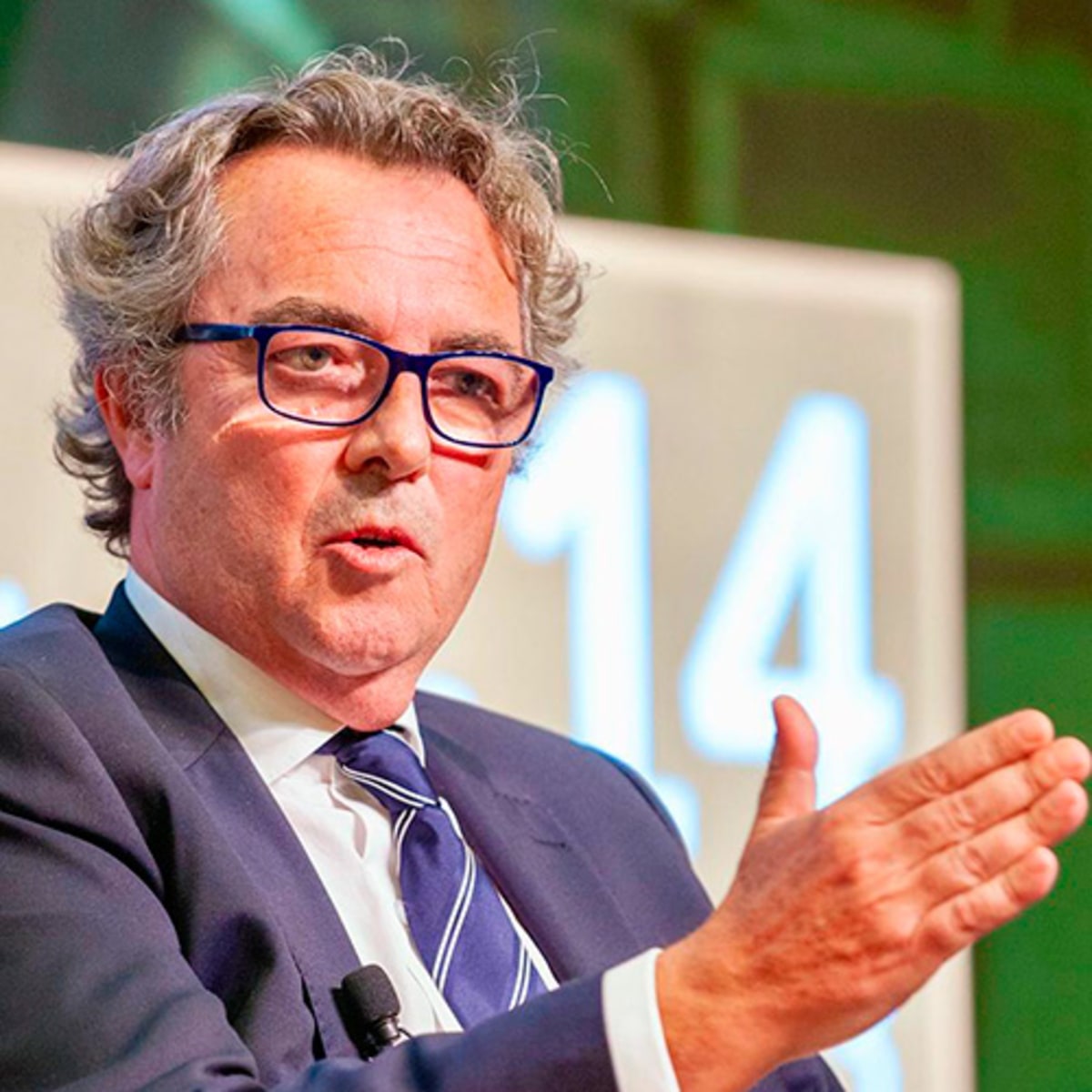
To lead this revolution from the Spanish academy, SEHIT’s operations are sustained by a directorate of excellence. As of 2026, the Board of Directors is chaired by Dr Manuel Garrosa García, Professor at the University of Valladolid. Recognised as a “Distinguished Cajalian,” his leadership faithfully embodies this epistemological transition: from silver staining to tissue engineering.
| Position | Holder / Academic-Professional Affiliation |
|---|---|
| President | Manuel Garrosa García, University of Valladolid |
| Vice President | José Peña Amaro, University of Córdoba; expert in muscle histology and regeneration |
| Secretary | Ingrid Garzón Bello, University of Granada; linked to the vanguard of Tissue Engineering |
| Treasurer | Miguel Ángel Ortega Núñez, University of Alcalá; prolific researcher in tissue biomarkers |
| Members | Alfredo Martínez R., Inés Martín L., Ester Beltrán F., Francisco J. Sáez C. — Representatives of CIBIR, U. Sevilla, U. Murcia, and UPV/EHU, ranging from angiogenesis to virtual microscopy |
Daily activity beats through its Commissions and the Ateneo Cajal, dedicated to the noble task of preserving historic patrimony and promoting comprehensive biomedical outreach.
5. Scientific outreach: celebrating science in the light of Cajal
SEHIT orchestrates a continuous cycle of events, with the Ibero-American Congresses standing out as transatlantic bridges of knowledge.
5.1. “Salamanca: for Cajal and Science 2025”
Held in late March 2025, this monumental tribute transcended academia to demand, through the Declaration of Salamanca for Science, the national commemoration of 17 October as a National Day of Science.
During these sessions, SEHIT rewarded excellence by bestowing the I D. Santiago Ramón y Cajal Prize, Professor of Histology, vindicating the enduring relevance of the sage’s scientific and educational message. The event also served as a framework for the ZEISS Awards for Outreach and Career, recognising leadership in the creation of multidisciplinary scientific schools.
6. The organ of expression: Histology and Histopathology
SEHIT’s sovereignty is materialised in its official journal, “Histology and Histopathology.” Consolidated internationally and positioned in the second quartile (Q2) of the Journal Citation Reports in the categories of Cell Biology and Pathology (with a projected NAAS Score of 8.00 for 2026), the journal stands as the global agora where cutting-edge morphological findings are published. Its unbreakable policy of imposing no limits on figures for authors is a direct tribute to the graphic profusion of the Spanish School: in histology, the evidence inevitably resides in the beauty and meticulousness of the microscopic image.
7. Teaching and innovation: forging the explorers of tomorrow
Aware that neuronal decoding through AI Foundation Models and Ultra-High Range fMRI resonators (7 Tesla) demand a firm histological foundation, SEHIT champions the Histodocencia initiative.
Through the promotion of Virtual Microscopes and the constant updating of its White Papers before ANECA, the society ensures that new generations do not lose their morphological compass. Understanding that ADHD is an alteration in epigenetic allocation or that Alzheimer’s entails defective routing of axonal tracts requires absolute and unquestionable mastery of cytoarchitecture.
8. Epilogue: custodians of the past, architects of the future
The Spanish Society of Histology and Tissue Engineering consolidates its position as the crucible where intellectual heritage pays tribute to biotechnological innovation. Its mission fully aligns with the ambitious national strategic commitment to neuroscience that crystallises today in institutions such as the Cajal Neuroscience Centre (CNC) or the National Neurotechnology Centre.
From the interferential photographic plates that Cajal used to the predictive simulations and optogenetic engramic manipulation of today, the will to decipher life remains intact. Today, SEHIT raises its voice so that science occupies its central place in society, knowing that in the intricate universe of the “engram,” the spark of that tireless explorer who taught us to seek the greatest truths in the tiniest corners of our nature still pulses.