Dedicated to D. Jesús Martínez Frías, cartographer of the invisible.
There is a poetic and terrifying symmetry between the two great abysses that flank human existence: the firmament expanding above our heads and the cellular labyrinth pulsing within our skulls. For millennia, human beings gazed upward at the night sky seeking answers about their own origins, tracing imaginary constellations in the void to ward off the fear of cosmic solitude. But it was not until the late nineteenth century that we understood that, in order to decipher the universe, we first had to map the instrument with which we observed it.
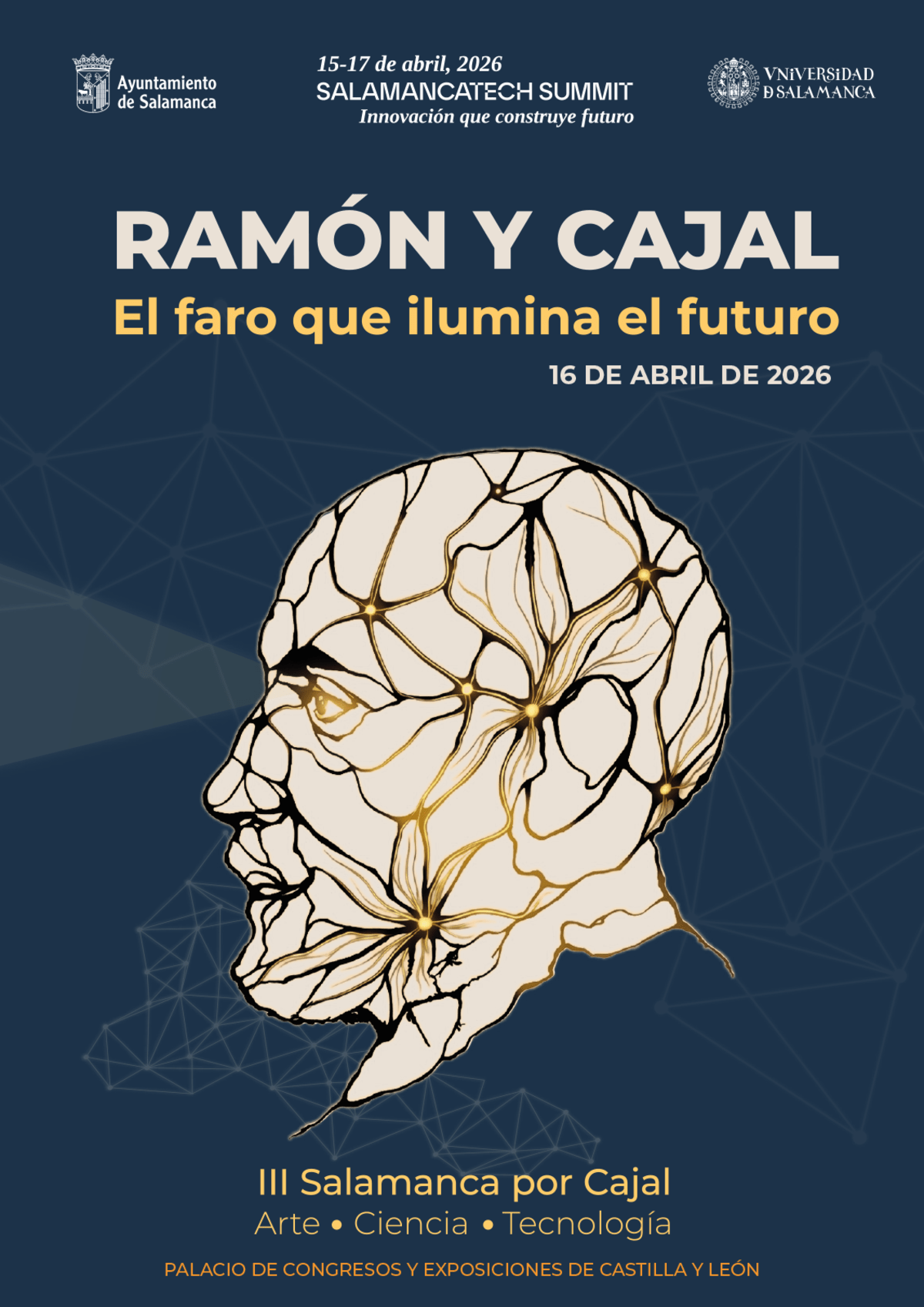
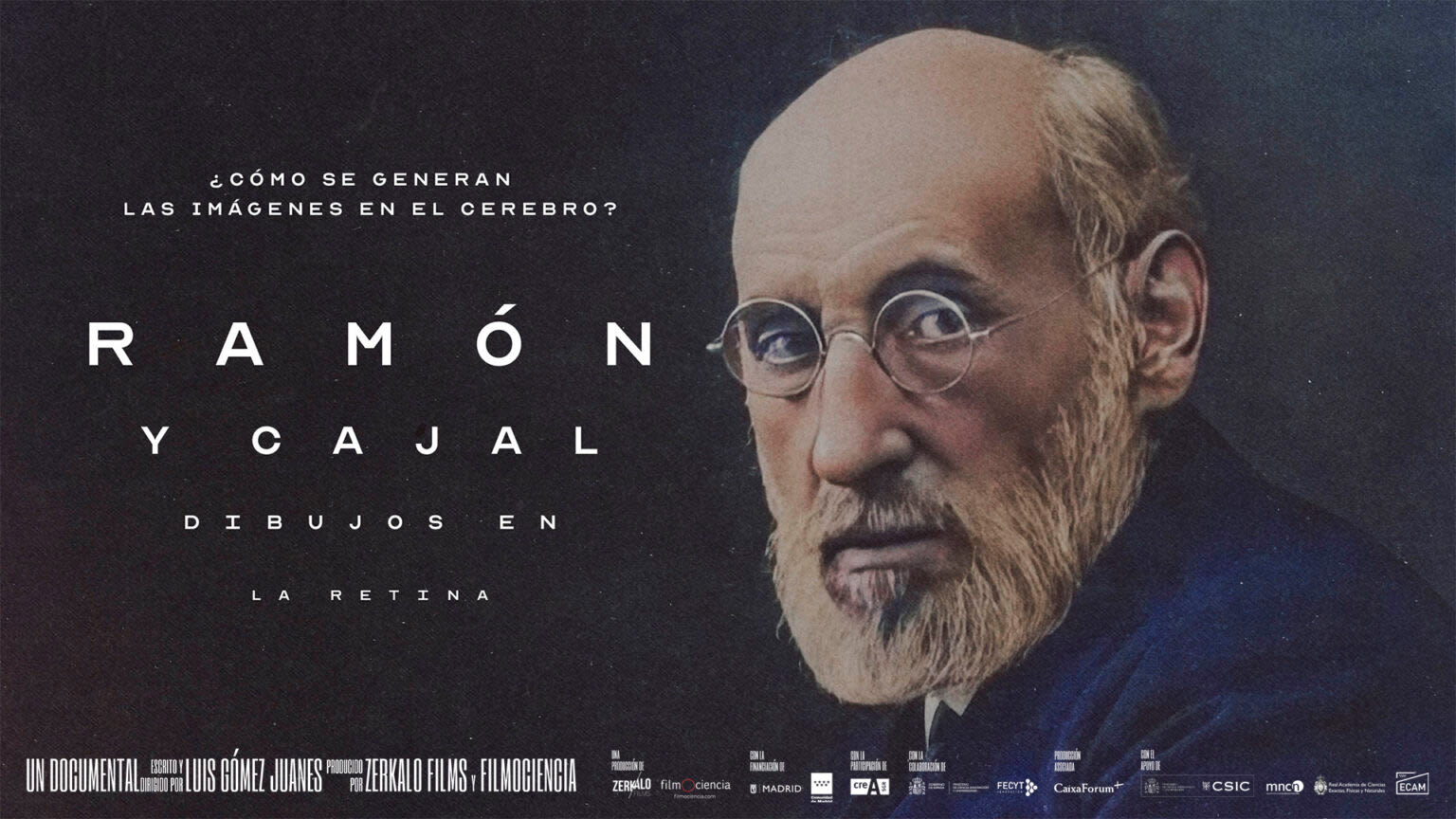
When Santiago Ramón y Cajal first peered through the eyepiece of his microscope and applied Golgi’s technique to a fragment of nervous tissue, he did not see an inert mass. He saw an inner universe as vast and unexplored as the Milky Way. He saw galaxies of pyramidal cells, constellations of astrocytes, and the unfathomable abyss of the synapse. Today, in the spring of 2026, the same indomitable curiosity that drove the Aragonese sage to unravel the neuron doctrine impels humanity to search for traces of life in the red dust of Mars.
And at this new frontier of knowledge, where biology merges with planetary geology, there emerges the figure of a researcher who perfectly embodies the intellectual heritage of the Madrid School: Dr. Jesús Martínez Frías.
The geologist who reads the memory of worlds
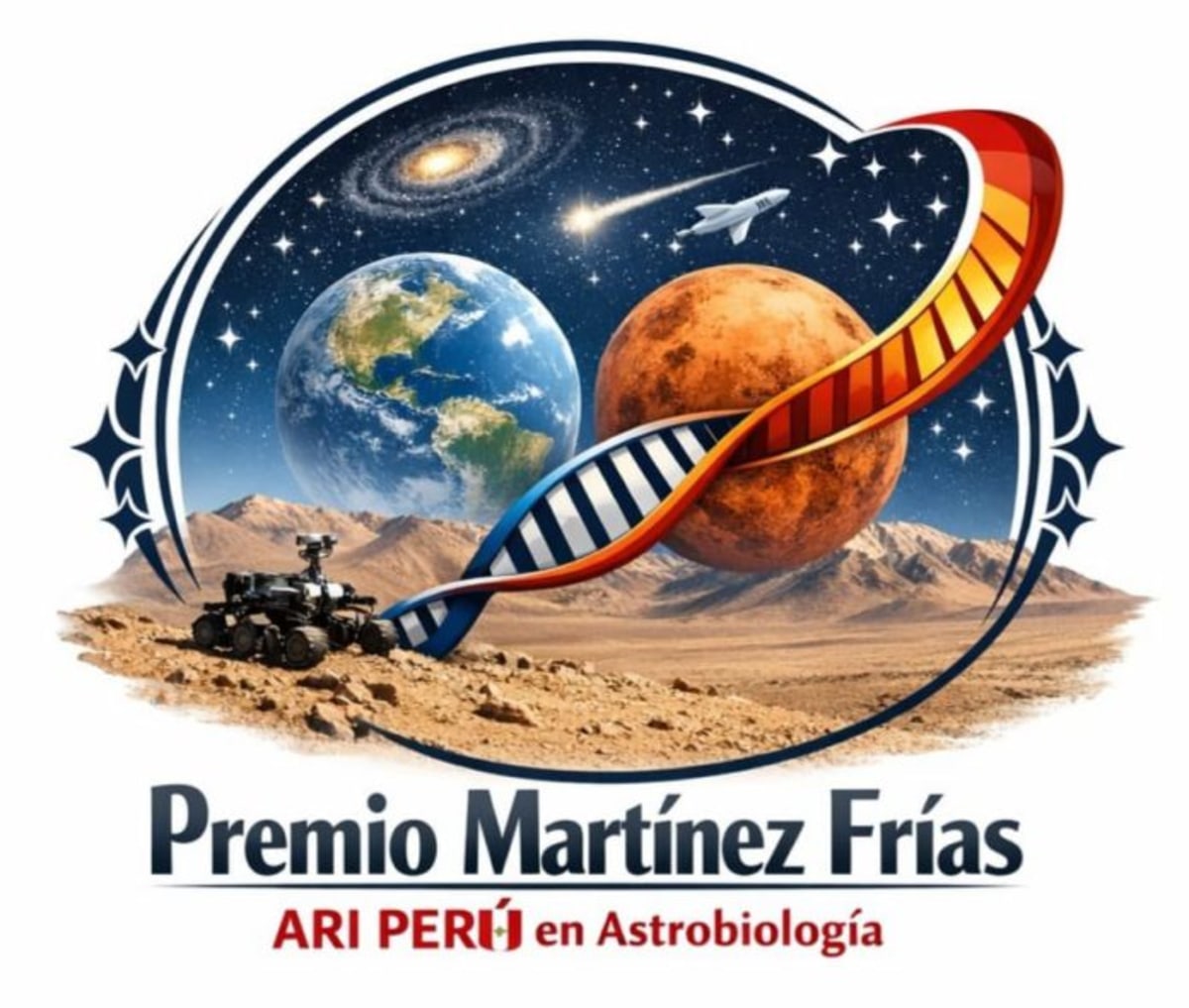
The news that brings us together transcends geographical borders to settle in the universal territory of scientific recognition. The Arrhenius Research Institute of Peru (ARI Perú) has announced the creation and official call for entries of the Martínez Frías Award in Astrobiology, an honour designed to recognise exceptional careers and contributions that consolidate this integrative discipline throughout Ibero-America.
Naming an international prize after a scientist still in active service is an unusual act of historical justice, yet a profoundly deserved one. Planetary geologist, astrobiologist, and researcher at the Institute of Geosciences (IGEO, CSIC-UCM), Martínez Frías has built a vital bridge between Earth and space. His pioneering work on meteorites and his participation in NASA’s Mars missions—as a member of the scientific teams of the Curiosity and Perseverance rovers—have made him a cartographer of the invisible, a man who reads in the scars of extraterrestrial rocks the history of life itself.
Cajal, in his monumental Textura del sistema nervioso del hombre y de los vertebrados (Texture of the Nervous System of Man and the Vertebrates, 1899), taught us that form is always the physical manifestation of function; that to observe the intricate arborisation of a dendrite was to read the evolutionary history of thought. Martínez Frías applies an analogous gaze to the cosmos. For him, a mineral altered by water in Mars’s Jezero Crater is not a mere inert pebble but a fossilised document, an archive guarding the secrets of habitability in the dawn of the solar system.
“Like the entomologist hunting brightly coloured butterflies, my attention pursued, in the garden of grey matter, cells of delicate and elegant forms, the mysterious butterflies of the soul, whose wing-beats might one day reveal the secret of mental life.” (“Como el entomólogo a la caza de mariposas de vistosos colores, mi atención perseguía, en el jardín de la sustancia gris, células de formas delicadas y elegantes, las misteriosas mariposas del alma, cuyo batir de alas quién sabe si esclarecerá algún día el secreto de la vida mental.”) — Santiago Ramón y Cajal, Recuerdos de mi vida (Recollections of My Life)
Replace the “garden of grey matter” with the desolation of the Martian plains, and the “butterflies of the soul” with biomarkers hidden in the regolith, and we find the same shiver before the unknown, the same pulse of wonder that unites the histologist of the nineteenth century with the astrobiologist of the twenty-first.
The forging of the spirit: science, ethics, and humanity
The award established by ARI Perú not only rewards technical erudition but also underscores a dimension that Cajal passionately defended throughout his life: the moral responsibility of the scientist. In his Charlas de café (Coffee-House Chat, 1920), Don Santiago warned of the danger of technical progress devoid of ethical stature. There was no point in conquering the secrets of matter if humanity proved incapable of governing itself.
Jesús Martínez Frías is, in this sense, a complete heir to Cajal’s humanism. Beyond his work at the European Space Agency (ESA), training astronauts in the volcanic landscapes of Lanzarote—used as terrestrial analogues of Mars—the researcher has been a world-leading champion of Geoethics. As founder and principal voice of the International Association for Geoethics (IAGETH), he tirelessly reminds us that space exploration must not be an imperialist race for the plundering of extraterrestrial resources, but rather a noble enterprise governed by respect for the cosmos and cooperation among nations.
Science has no meaning if it does not elevate human dignity. The rules of the Martínez Frías Award reflect this principle, calling for students and teams whose contributions “engage in dialogue with the conceptual, methodological, and ethical foundations of astrobiology.” It is the same demand for virtue that Cajal imposed on the brilliant researchers of the Spanish Neurological School—titans such as Fernando de Castro, Pío del Río-Hortega, and Laura Forster—to whom he taught that the laboratory was an altar consecrated to the disinterested pursuit of truth.
The Ibero-American bridge to infinity
It is especially moving that this distinction was born in Peru, consolidating academic ties that Martínez Frías has been weaving since 2015. Serving as tutor, adviser, and intellectual beacon for young researchers at Peruvian universities, he has demonstrated that scientific excellence does not thrive in isolation but in the cross-pollination of ideas and cultures.
In his Reglas y consejos sobre investigación biológica (Rules and Advice on Biological Research, 1897), Cajal urged young people to cast off their inferiority complex, reminding them that talent was not the exclusive patrimony of any nation but the fruit of willpower crystallised into effort. The Martínez Frías Award embodies this very philosophy, serving as a catalyst for Ibero-American scientists to claim their rightful place at the forefront of space exploration.
“As long as the brain remains a mystery, the universe will continue to be a mystery.” (“Mientras el cerebro sea un misterio, el universo continuará siendo un misterio.”) — Santiago Ramón y Cajal, Reglas y consejos sobre investigación biológica (Rules and Advice on Biological Research)
Cajal understood that the human brain is the only fragment of the universe that has become conscious of itself. Stellar matter cooled, organised itself, and, after aeons of blind evolution, transformed into an organ capable of building a telescope, designing a Martian rover, and asking itself, heart clenched with anguish and wonder: Are we alone?
In celebrating Jesús Martínez Frías and the award that now bears his name, we celebrate the triumph of that same conscious matter. From the first silver stains in a precarious laboratory in Valencia to the astrobiology laboratories analysing asteroid dust, the history of Spanish science is the unbroken tale of a rebellion: the refusal to resign ourselves to darkness.
Cajal’s legacy lives on today in the rocks of Mars, reminding us that whether we gaze into the abyss of the cell or toward the immensity of the stars, what we are truly seeking is, always, ourselves.
Rules of the Martínez Frías Award in Astrobiology
The Martínez Frías Award in Astrobiology is granted annually by the Arrhenius Research Institute of Peru (ARI Perú). Eligible applicants include researchers, university lecturers, postgraduate students, and interdisciplinary teams engaged in astrobiology or related disciplines.
Categories
Submissions may be presented in two equivalent formats, evaluated under the same academic criteria:
- Written essay — between 4 and 8 pages in PDF format, with original scientific reflection and bibliographic references.
- Video essay — between 5 and 8 minutes, published on YouTube, Vimeo, or an equivalent platform.
Submissions may be presented in Spanish, Portuguese, or English.
Evaluation criteria
The academic committee of ARI Perú will assess scientific rigour, originality, interdisciplinary coherence, integration of ethical criteria, and recognition of the astrobiological heritage—the scientific, natural, and territorial patrimony associated with the study of life in planetary contexts.
Recognition
The winning entry is published on the platforms of ARI Perú and the Spanish Network of Planetology and Astrobiology (REDESPA), together with an institutional certificate of accreditation.
Calendar
The call for entries opens in July and closes on 30 September. The verdict is communicated in the last week of November.
Submission of applications
Applications are sent exclusively to: [email protected]
The message must include the applicant’s full name, institution of origin, chosen category, the PDF file or link to the video, and a declaration of original authorship.
Source
Instituto de Investigación Astrobiológica del Perú. (2026). Premio Martínez Frías en Astrobiología. https://www.icog.es/TyT/index.php/2026/03/premio-martinez-frias-en-astrobiologia/