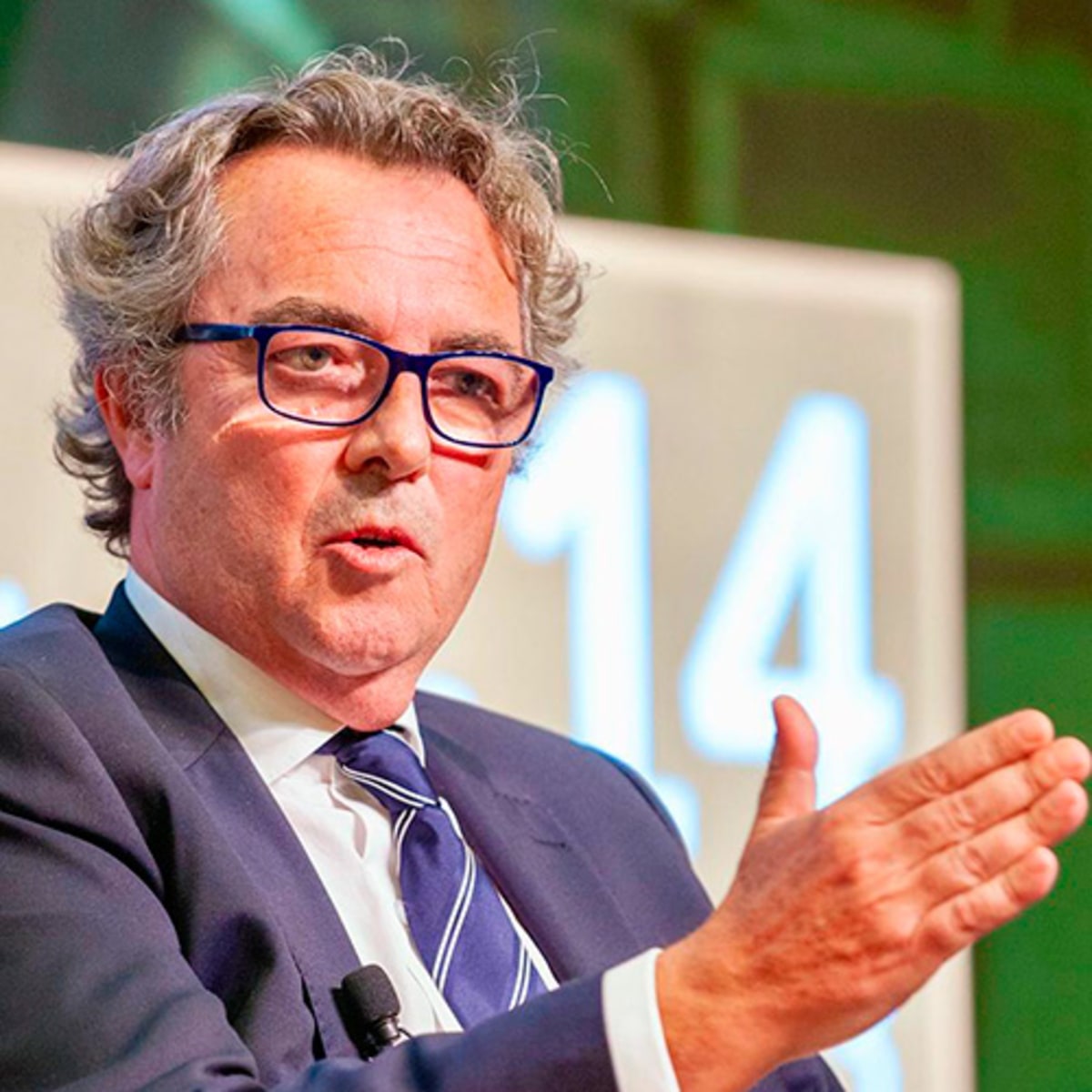
On 27 May 2025, the Nobel Assembly at the Karolinska Institutet sent a letter signed by professors Bertrand Joseph and Klas Blomgren to Dr Juan del Río-Hortega Bereciartu — grandnephew of Pío del Río-Hortega, former Professor of History of Medicine at the University of Valladolid — inviting him as a speaker to Nobel Conference No. 72: «Microglia in the healthy and diseased brain».
The conference will be held at the Nobel Forum, Karolinska Institutet, Stockholm, on 28 and 29 May 2026. The Nobel Forum is the venue where the Nobel Committee announces each October the winner of the Nobel Prize in Physiology or Medicine.
The circle closes: one hundred years after Pío del Río-Hortega discovered microglia in the Madrid laboratories, the Río-Hortega family returns to the epicentre of the Nobel.
📄 Official invitation letter — Nobel Conference No. 72 · Karolinska Institutet — Docs.Santiagoramonycajal
The Discovery that Changed Neuroscience
Santiago Ramón y Cajal had established that nervous tissue was composed of individual cells, but his techniques left in the shadows a group of cells that did not fit any known category — the enigmatic «third element». It was his disciple Pío del Río-Hortega who solved the mystery.
Between 1917 and 1921, using the ammoniacal silver carbonate technique he himself developed, Río-Hortega demonstrated that the «third element» was in reality two distinct cell types:
- Microglia — mesodermal origin, resident macrophages of the brain, responsible for immune surveillance and phagocytosis. Known today as «Hortega cells».
- Oligodendroglia — responsible for the formation and maintenance of myelin in the central nervous system.
With these findings, Río-Hortega completed the cellular map of the nervous system that Cajal had begun. He was nominated for the Nobel Prize three times (1929, 1937, and considered by the Committee in 1938). The Civil War forced him into exile — Paris, Oxford, Buenos Aires — where he mentored scientists of the calibre of Wilder Penfield and Dorothy Russell and spread the «Hortega technique» to laboratories worldwide.
| Cell type | Embryological origin | Function proposed by Río-Hortega |
|---|---|---|
| Neuron | Ectoderm | Impulse transmission |
| Astrocyte | Ectoderm | Metabolic and structural support |
| Oligodendrocyte | Ectoderm | Myelin production; trophic support |
| Microglia | Mesoderm | Immunity; phagocytosis; surveillance |
Nobel Conference No. 72: Microglia at the Centre of Medicine
Nobel Conference No. 72 brings together 100 participants — 20 elite speakers — at the Nobel Forum to exchange unpublished data on microglia across three fronts:
- Its role in early brain development
- Its contribution to neurodevelopmental and neurodegenerative disorders
- Its implication in brain neoplasms
The ARG1+ Subtype and Postnatal Development
El equipo del prof. Bertrand Joseph (Karolinska, Biología Molecular del Cáncer) has identified a subtype of microglia expressing the enzyme arginase-1 (ARG1+), located predominantly in the anterior basal forebrain and ventral striatum during postnatal development. This subtype is essential for the maturation of cholinergic neurons and the refinement of hippocampal dendritic spines. Its selective elimination causes cognitive deficits — especially in females.
Glioblastoma Hijacks Microglia: the DNMT3A Switch
In glioblastoma multiforme, tumour cells «hijack» microglia to work in their favour. The key mechanism is the enzyme DNMT3A (DNA methyltransferase 3A): the tumour reduces DNMT3A levels in microglia, suppressing its defensive capacity. Researchers, using antisense technology to further repress DNMT3A, unlock that capacity and restore the antitumour phenotype of microglia, achieving in animal models the recovery of microglial motility and inhibition of tumour growth.
Radiotherapy in the Immature Brain: EDA2R as a Biomarker
El prof. Klas Blomgren (Karolinska, Pediatría) studies the collateral damage of cranial radiotherapy in children with brain tumours. He has identified subtypes of Radiation-Associated Microglia (RAM) and proposed EDA2R as an early biomarker — its levels rise rapidly in cerebrospinal fluid and plasma after radiation, enabling detection of damage before cognitive sequelae appear.
Spatial Tri-omics and DeepCellMap
| Technology | Application | Information obtained |
|---|---|---|
| scRNA-seq | Lineage characterisation | Single-cell transcriptomic signatures |
| Spatial tri-omics | Developmental dynamics | Genes, epigenetics and proteins simultaneously |
| DeepCellMap | Human section analysis | Cellular organisation and proximity |
| In vivo 2-photon | Real-time surveillance | Dynamics of resting processes |
Researchers at the Karolinska and Yale have also discovered that inflammation can spread from a localised focus to remote brain regions — with direct implications for Multiple Sclerosis.
Juan del Río-Hortega: Guardian of the Legacy and Speaker in Stockholm
Dr Juan del Río-Hortega Bereciartu has worked for decades on the recovery of his great-uncle’s scientific legacy, highlighting little-known aspects such as the work of the women neuroscientists who collaborated with Don Pío — his niece Asunción Amo del Río and the Argentine Amanda Pellegrino de Iraldi.
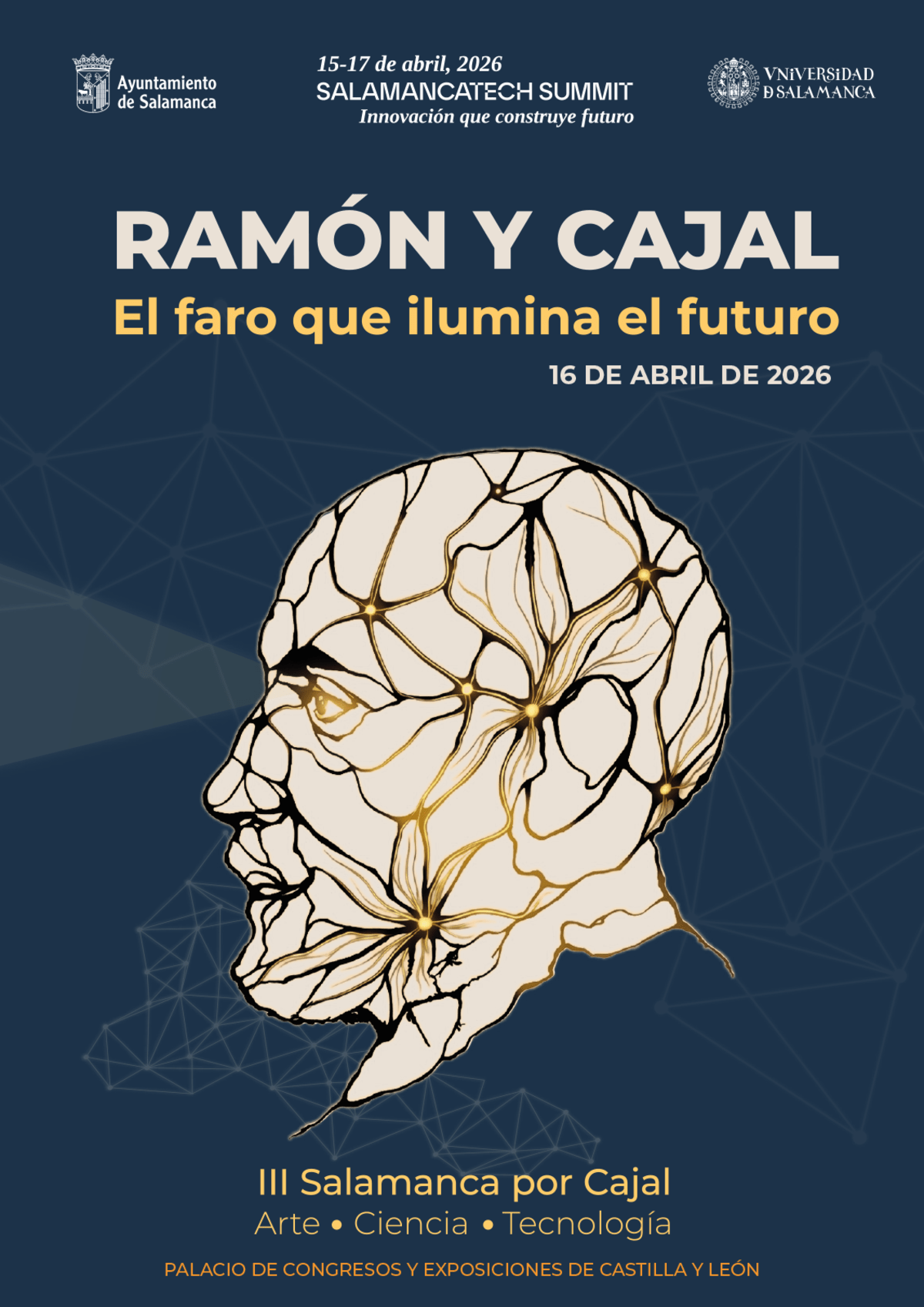
He will be present in Salamanca on 16 April 2026, at the III Salamanca por Cajal: Art, Science and Technology, three weeks before his intervention in Stockholm.
His invitation to the Nobel Forum is not a symbolic tribute. It is the recognition that microglia — that «third element» that Pío del Río-Hortega described a century ago in the modest Madrid laboratories — is today at the centre of research into Alzheimer’s, Parkinson’s, Multiple Sclerosis, ALS and glioblastoma. The most ignored cell of the brain has become the key to deciphering and treating the most complex diseases of the central nervous system.
The official invitation is signed by professors Bertrand Joseph and Klas Blomgren, Organising Committee of Nobel Conference No. 72, on behalf of the Nobel Assembly at the Karolinska Institutet. Stockholm, 27 May 2025.