Jesús Martínez Frías CSIC and Royal Academies of Sciences and Doctors of Spain
It is a well-known fact that Cajal, beyond his extraordinary research and scientific legacy regarding the brain, was fascinated by everything related to nature and the universe. Regarding the latter, as already noted in various publications and as I had the opportunity to explain and underscore at the magnificent tribute to our great genius held in 2025 in Salamanca, the evidence is more than clear.
These do not only refer to his personal interest in the subject (he bought a telescope which, at that time, cost him 15,000 pesetas, and made annotations in the book Memoirs of an Astronomer by Flammarion). Going further, they also intertwine, through an invisible thread, with Cajal’s various connections to planetary and astrobiological matters.
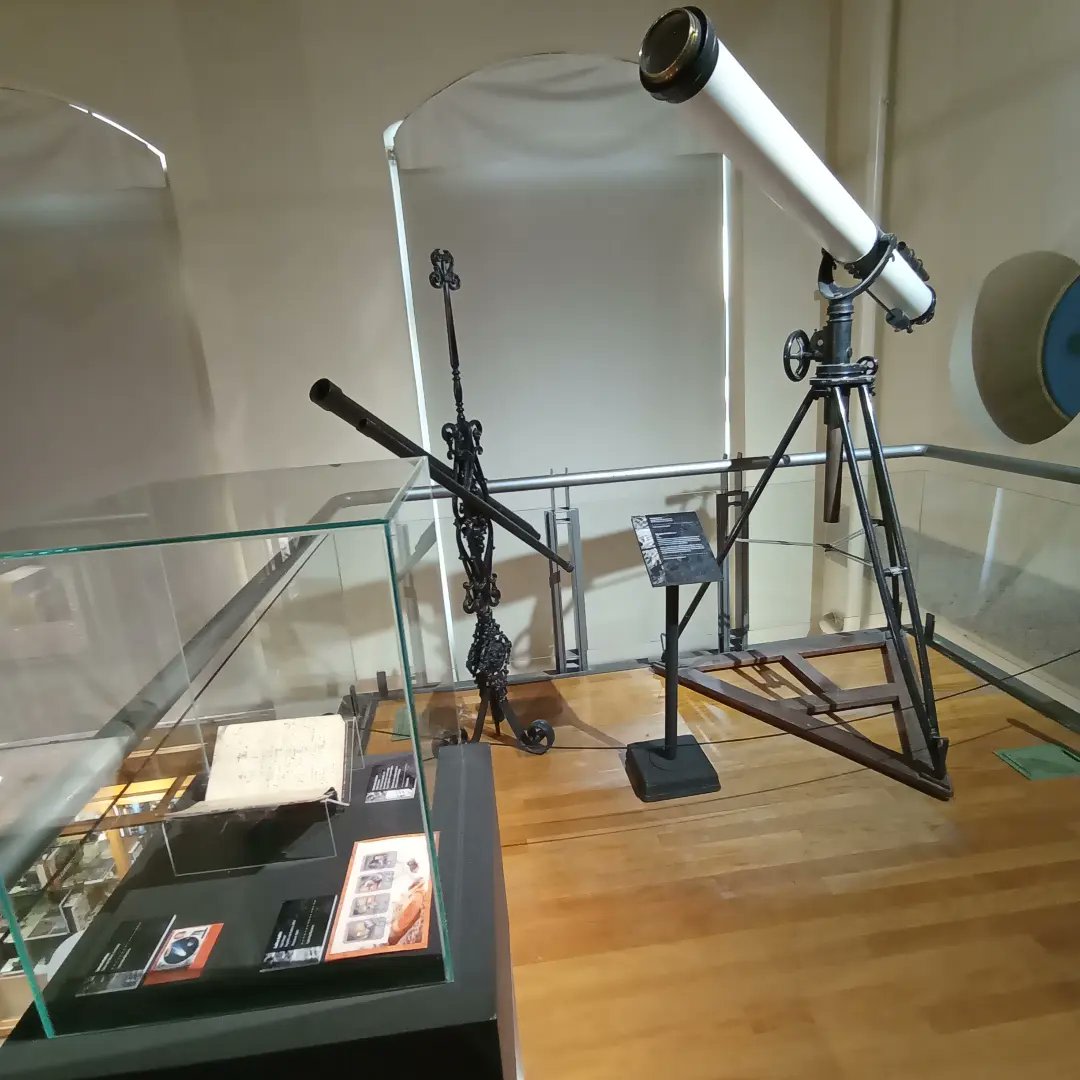

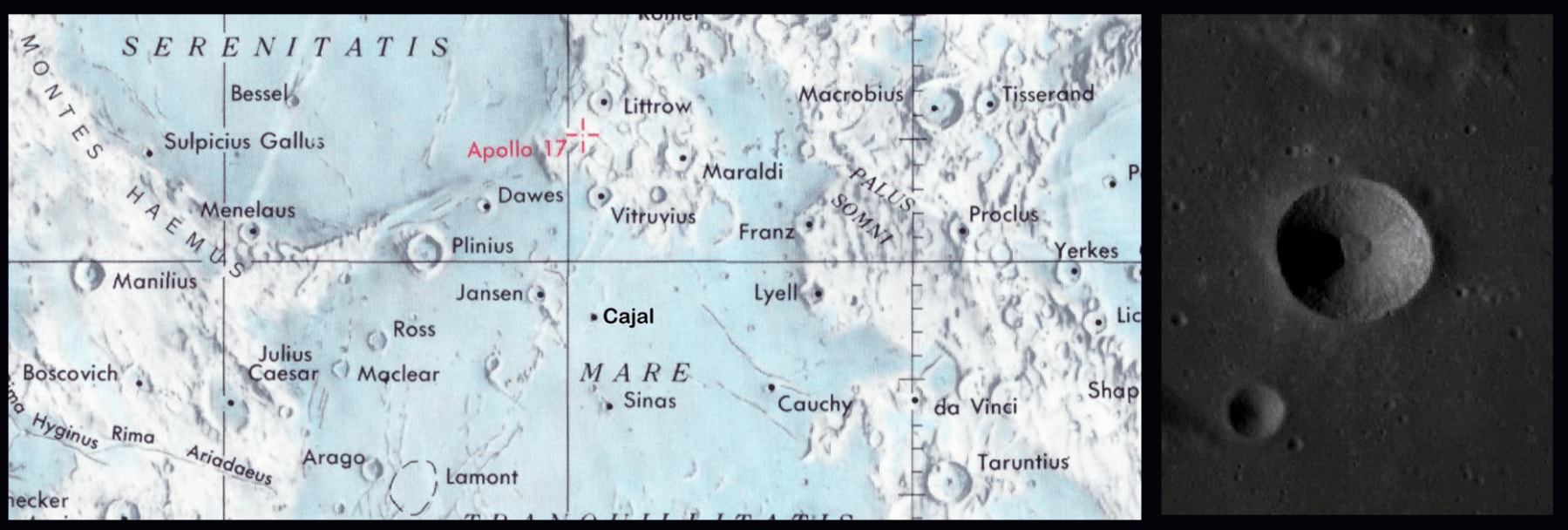
Cajal’s projection has extended (and continues to extend) beyond Earth’s frontiers, primarily in three domains: the Space Shuttle Columbia, the Moon, and the asteroid belt. Specifically, regarding the Moon, Cajal is a small lunar impact crater, 9 km in diameter, located in the northern part of Mare Tranquillitatis. Its denomination was approved by the IAU in 1973.
Our crewed return to the Moon is imminent this year with the Artemis programme. If all goes according to plan, the Artemis II mission will be the first to carry humans to orbit the Moon, scheduled tentatively for February or April 2026.
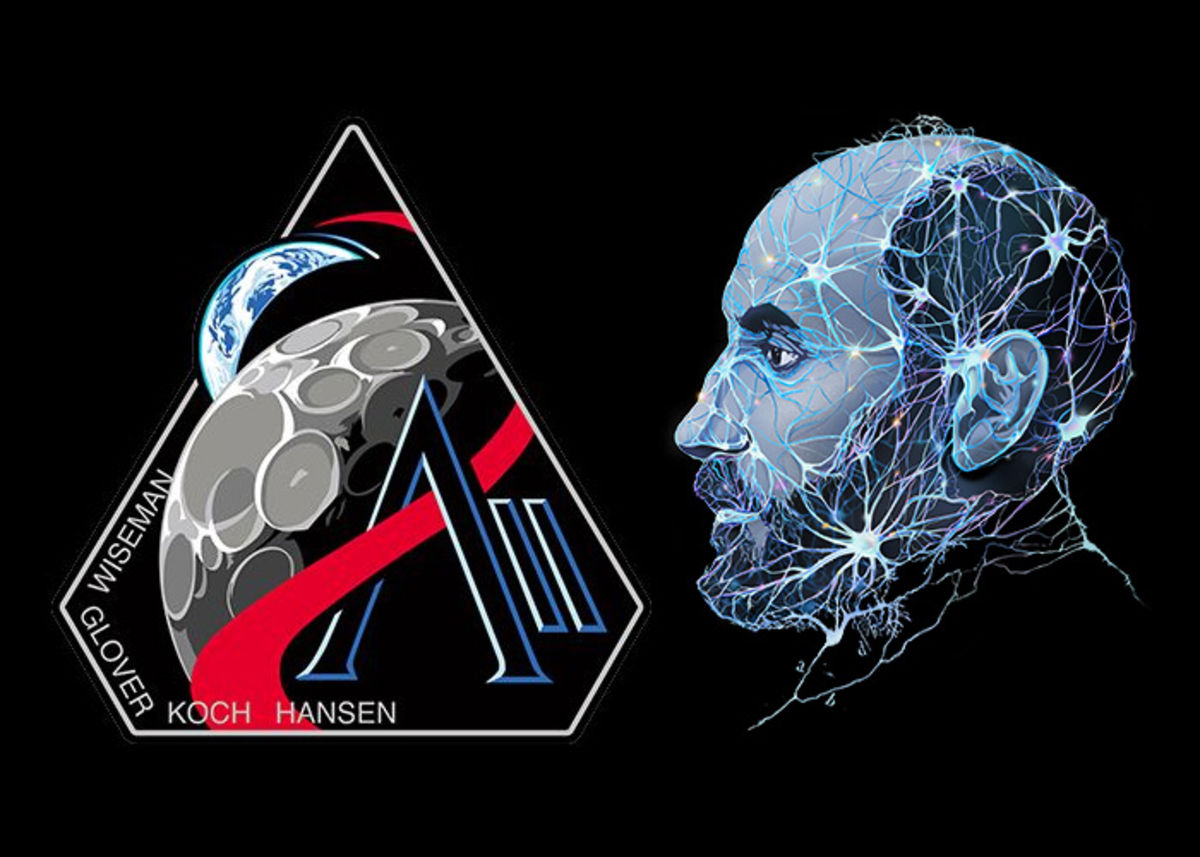
Specifically, Artemis II will send four astronauts (Fig. 2): Reid Wiseman (commander), Victor Glover (pilot), Christina Koch (mission specialist), and Jeremy Hansen (Canadian Space Agency, specialist) on a round trip that will orbit the Moon once before returning to Earth approximately 10 days later.
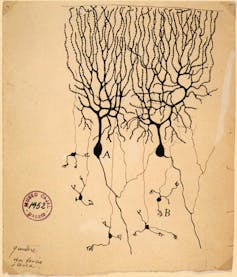
NASA has opened the possibility of sending names to the Moon, incorporating them as part of the mission on an SD card that will form part of the Orion spacecraft. If all goes well, the launch will take place imminently and Cajal’s name could not be absent (Fig. 3).
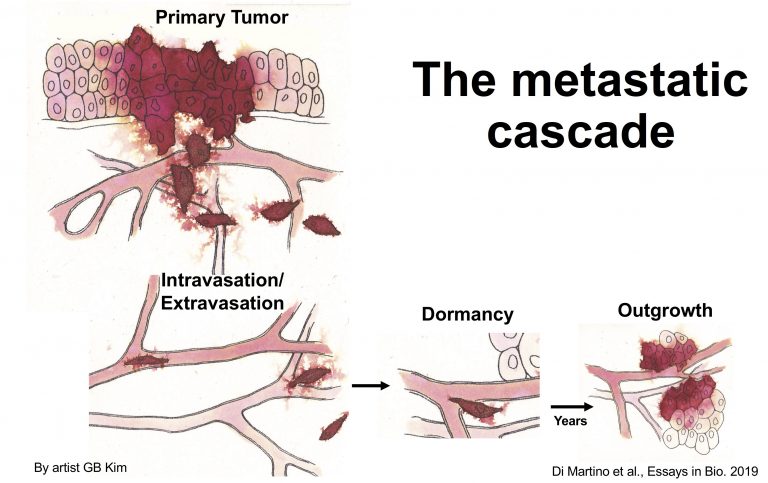
Personally, I wonder whether when Cajal, with his telescope, curiously and passionately directed his gaze at the surface of our satellite, he could have imagined that he himself would lend his name to one of its craters. Even more—what would he think upon learning that he himself would form part of the first crewed mission to orbit the Moon decades later?
This simple boarding pass is intended as a tribute to our colossal Spanish genius and one more element demonstrating that Cajal’s figure and legacy transcend the frontiers of our planet with new projections toward the cosmos, which will continue in the future. Artemis III (scheduled for 2027) will be the mission that aims to land humans (once again) on the lunar surface. If all goes well, Cajal will also be part of them. At the very least, that is my personal commitment as a researcher and as a Cajalian.