There are invisible structures that bear the entire weight of the world. Some, like the intricate forest of pyramidal cells, dwell in the silence of our own skulls; others, no less complex, are the moral and juridical agreements that prevent civilisation from collapsing upon itself. We often make the mistake of thinking that biological science and the philosophy of law belong to separate realms, when in truth both seek to unravel the same mystery: what is the exact place that the human being occupies in the vast and often hostile universe.
This spring of 2026, current events compel us to turn our gaze toward the University of Salamanca, the very cloister where Unamuno’s crossroads resounded nearly a century ago. His Majesty King Felipe VI has accepted the Honorary Presidency of the Fifth Centenary of the School of Salamanca, an intellectual movement that, in the heart of the sixteenth century, changed the course of Western thought forever. Titanic figures such as Francisco de Vitoria, Domingo de Soto, and Francisco Suárez laid there the foundations of astonishingly modern concepts: human rights, freedom of conscience, and international law.
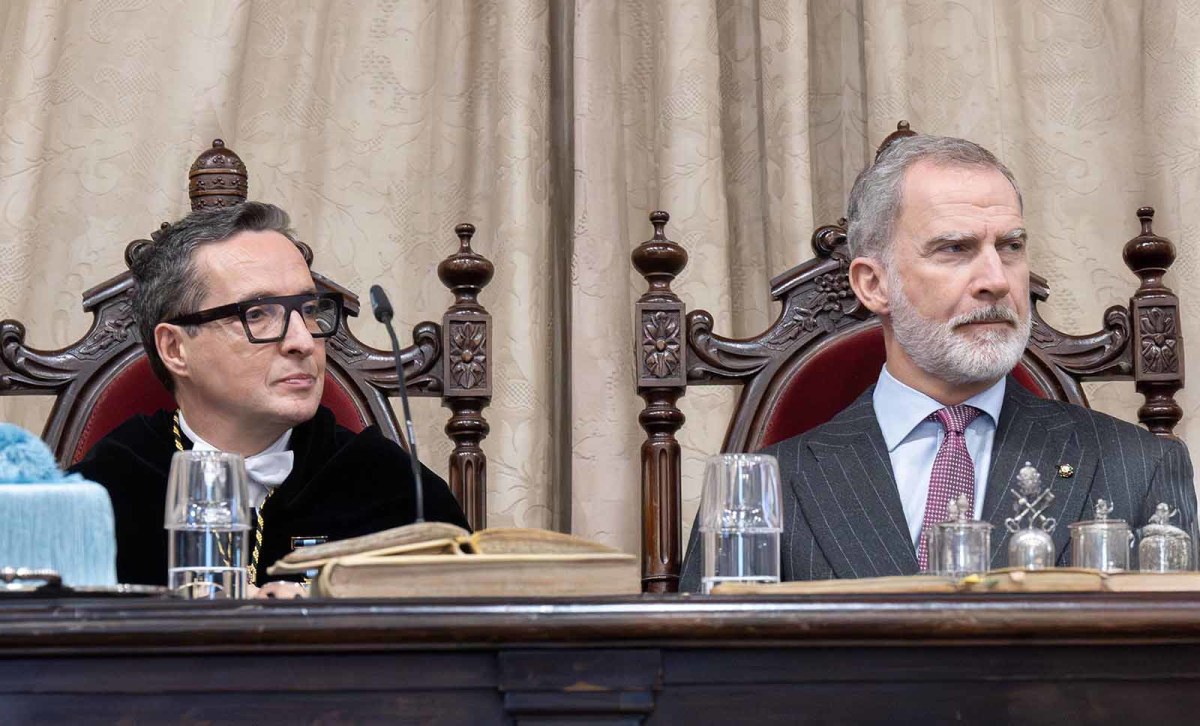
Just days before this decision was announced, the monarch presided in the historic Paraninfo of Salamanca over the investiture as doctor honoris causa of the President of the Italian Republic, Sergio Mattarella. And in his acceptance speech, the statesman—a former judge of the Italian Constitutional Court—drew a direct line between those sixteenth-century pioneers and our fragile modernity.
The vacuum of power and the tyranny of force
We live in times of profound unease, where old certainties seem to dissolve. In his masterly address, Mattarella warned about the dismantling of the arms control system and the abandonment of the operative organisations of the United Nations. He recalled that Article 2 of the San Francisco Charter expressly prohibits the use of force against the territorial integrity or political independence of any State. In parallel, he emphasised that Article 55 enshrines universal respect for human rights, elevating the dignity of the individual above the internal affairs of nations.
When these pillars give way—the Italian president observed, evoking historian Johan Huizinga and his celebrated 1935 diagnosis of the shadows of tomorrow—what remains is a vacuum, an arbitrary no man’s land, a regression toward the law of the strongest that punishes the poorest and most vulnerable peoples. The jurist José Ramón Chaves, in a lucid reflection on this solemn event, summarised the message with clarity: “The legitimacy of votes or elections never entails legitimacy for arbitrariness, nor for aggression against another state, nor for attacking human dignity” (“La legitimidad de votos o elecciones jamás comporta legitimidad para la arbitrariedad, ni para la agresión a otro estado, ni para atacar la dignidad humana”).
This warning about the dangers of a civilisation that advances technologically but retreats morally is not foreign to us. It is, in fact, the same fear that tormented Santiago Ramón y Cajal during the final years of his life.
The bitter lucidity of the sage
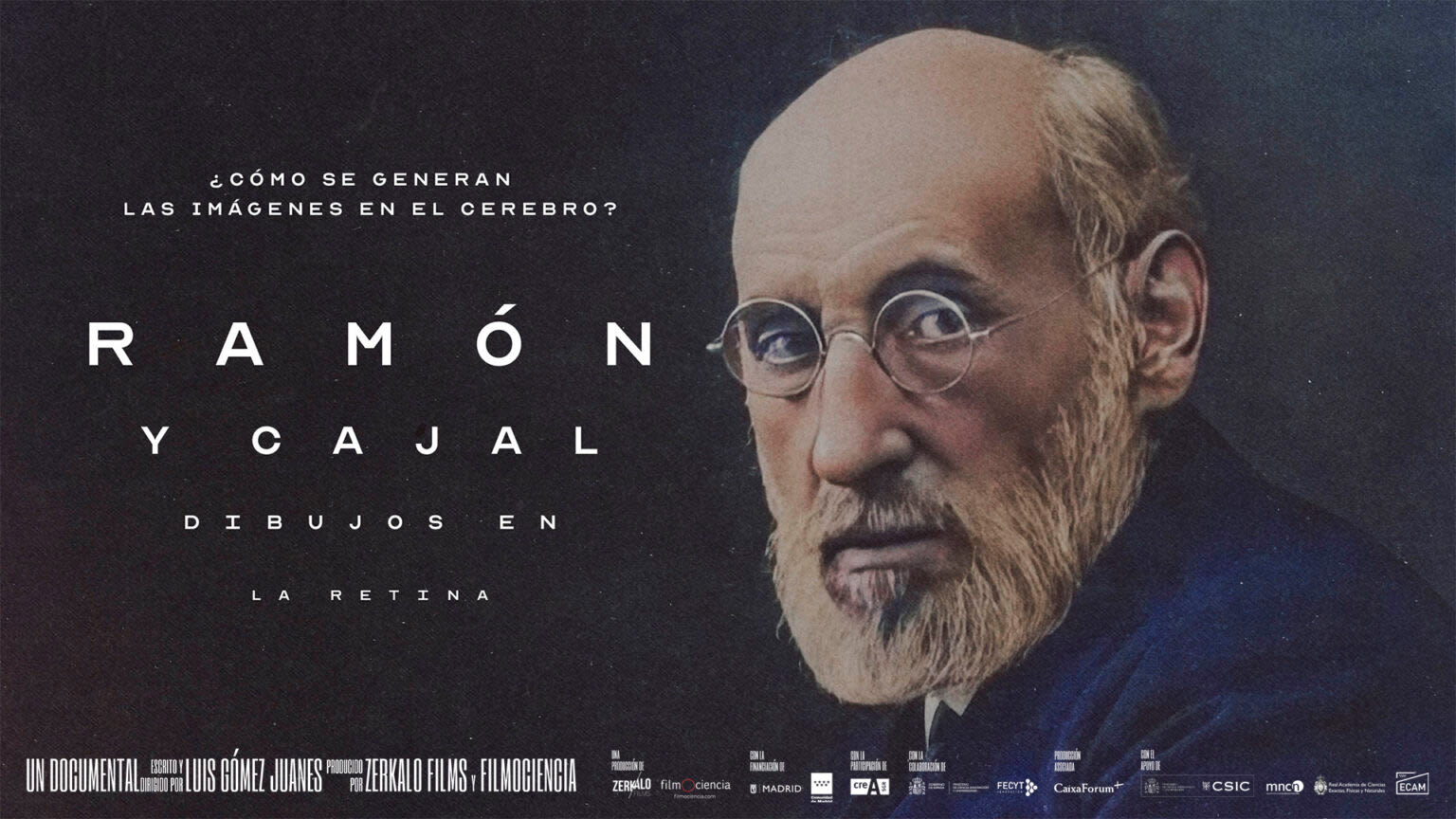
Cajal, who had devoted his existence to mapping the majestic perfection of the human brain and founding modern neuroscience, observed with profound bitterness how that very organ—the pinnacle of biological evolution—was being used to orchestrate unprecedented slaughter during the First World War. For the Aragonese sage, intellect devoid of an ethical substrate was an aberration of nature.
In his Charlas de café (Coffee-House Chat, 1920), Cajal set down his deepest conviction about the duty of knowledge:
“The select part of Humanity cannot and must not hide its life, but rather work publicly to facilitate and ennoble the lives of others.” (“La Humanidad selecta no puede ni debe ocultar su vida, sino trabajar públicamente para facilitar y ennoblecer la de los demás.”) — Santiago Ramón y Cajal, Charlas de café (Coffee-House Chat, 1920)
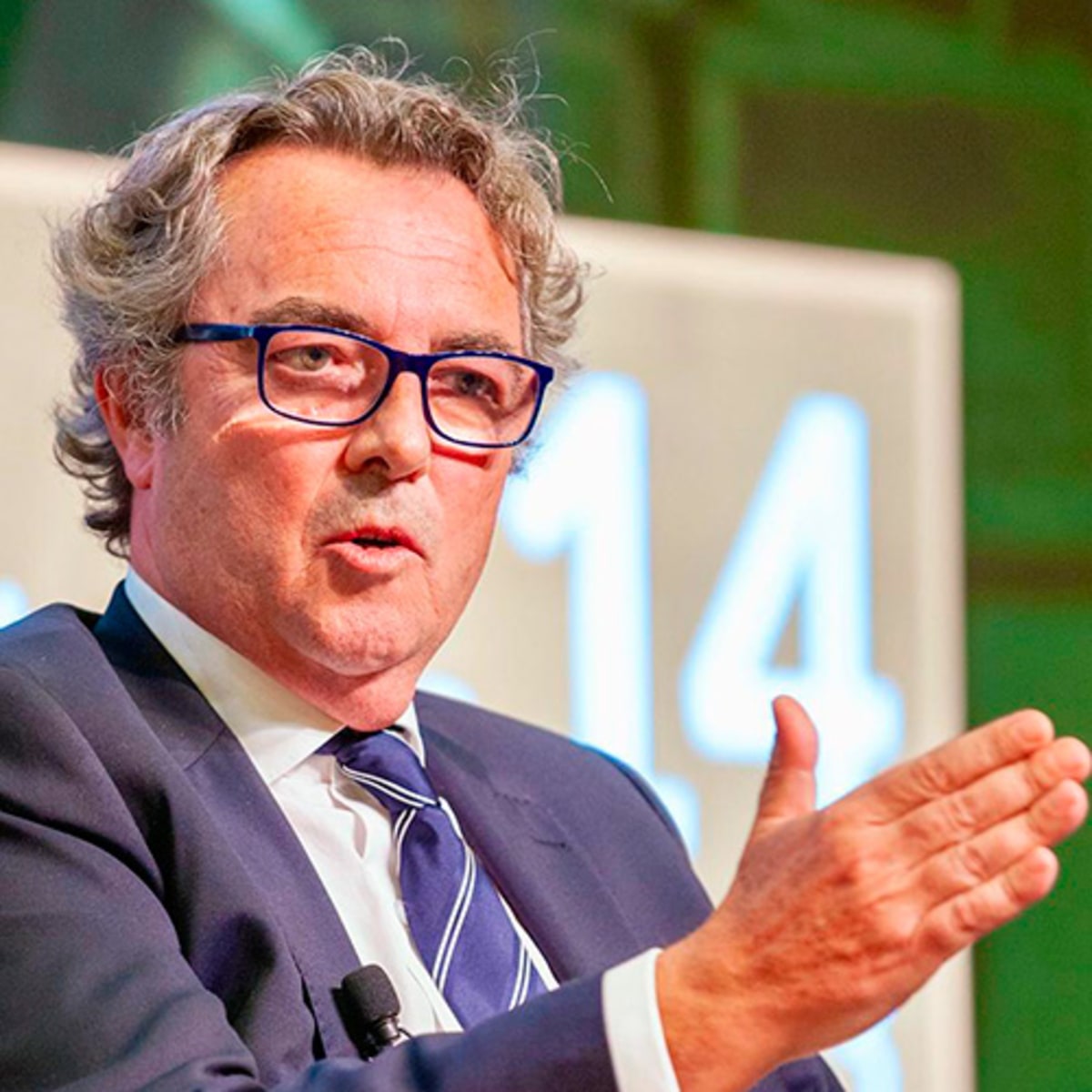
Cajal understood that science, on its own, does not save. Without a moral framework like the one dreamed by the scholastics of Salamanca—a European conscience before Europe existed as a political project, in the words of Rector Juan Manuel Corchado—technology is nothing more than a tool for perfecting barbarism.
The wind the world needs
The School of Salamanca understood in the sixteenth century that every human being, by the mere fact of existing, possessed an inalienable dignity. Three centuries later, through the eyepiece of his microscope, Cajal demonstrated that this dignity resided in an inner cosmos of overwhelming beauty: billions of neurons weaving the architecture of thought. Some mapped the architecture of law; the other, the architecture of the soul. The Spanish Neurological School itself, with brilliant researchers such as Achúcarro, del Río-Hortega, and Fernando de Castro, demonstrated that science of excellence does not thrive in isolation but in intellectual cooperation.
Both visions converge in the need to protect the intellectual heritage of humanity. When Mattarella addressed the students in the Paraninfo of Salamanca, he reminded them that in knowledge and critical thinking they would find the strength to be “that wind that knows no borders.”
“As long as the brain remains a mystery, the universe will continue to be a mystery.” (“Mientras el cerebro sea un misterio, el universo continuará siendo un misterio.”) — Santiago Ramón y Cajal, Reglas y consejos sobre investigación biológica (Rules and Advice on Biological Research)
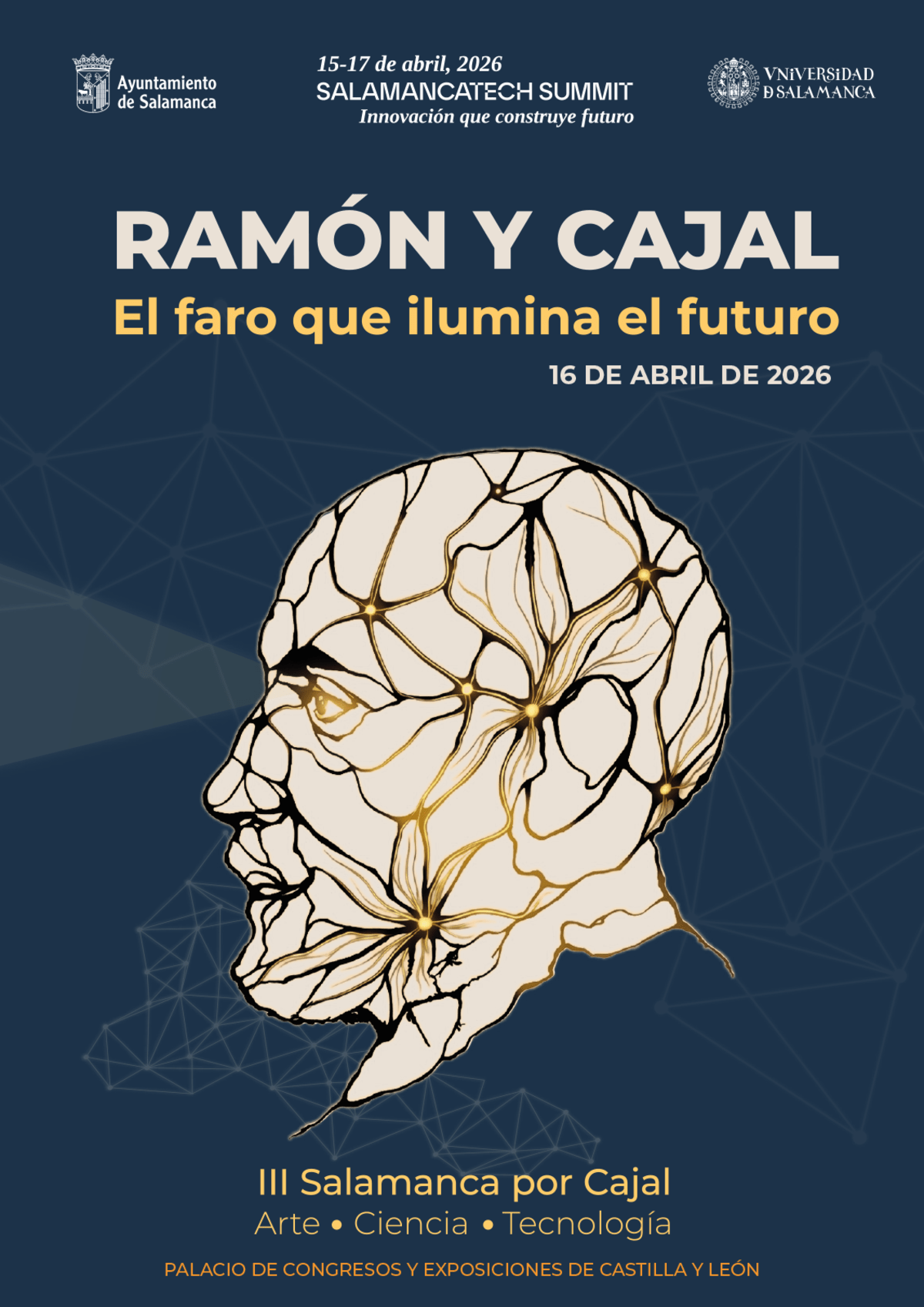
Preserving and transmitting the spaces of freedom is an inescapable duty of every generation. The celebration of this Fifth Centenary of the School of Salamanca, under the honorary presidency of the Spanish Crown, is not a mere exercise in academic nostalgia. It is a vital reminder that international law and science are not static disciplines, but beacons we must keep alight against the darkness.
For if the history of the School of Salamanca and the immeasurable legacy of Cajal teach us anything, it is that the true conquest of the human being lies not in dominating others by force, but in understanding, with wonder and humility, the infinite complexity of ourselves.
Bibliography and references
Chaves, J. R. (2026). Salve, Sergio Mattarella, los demócratas te saludan. delaJusticia.com. https://delajusticia.com/2026/03/23/salve-sergio-mattarella-los-democratas-te-saludan/
De Castro, F. (2019). Cajal and the Spanish Neurological School: Neuroscience Would Have Been a Different Story Without Them. Frontiers in Cellular Neuroscience, 13, 187. https://doi.org/10.3389/fncel.2019.00187
Huizinga, J. (1935). In de schaduwen van morgen. H.D. Tjeenk Willink & Zoon.
Sánchez Álvarez-Insúa, A. (2007). Con el pensamiento vivo de Cajal cien años después. Arbor, 183(727), 631–635. https://doi.org/10.3989/arbor.2007.i727.132